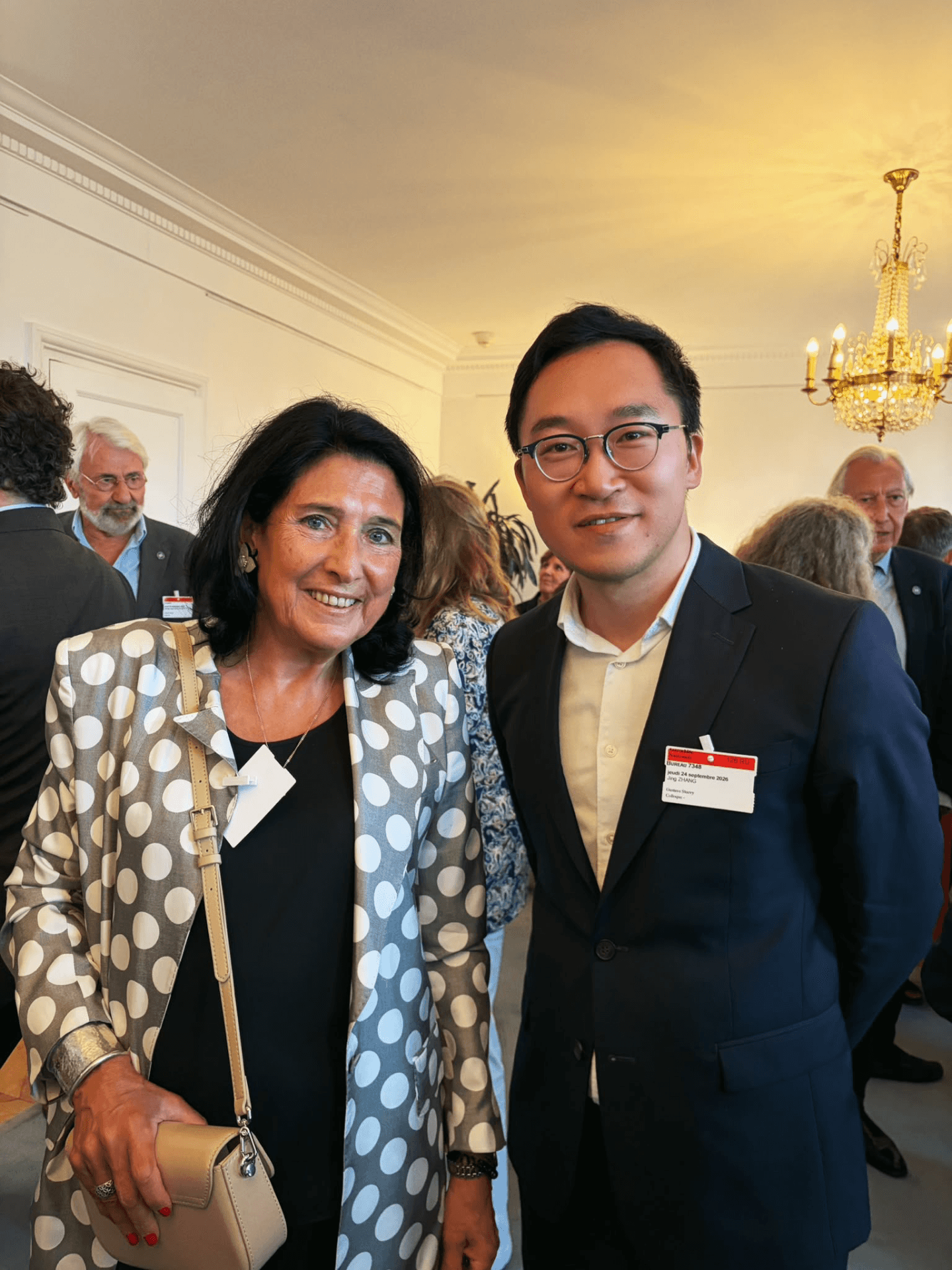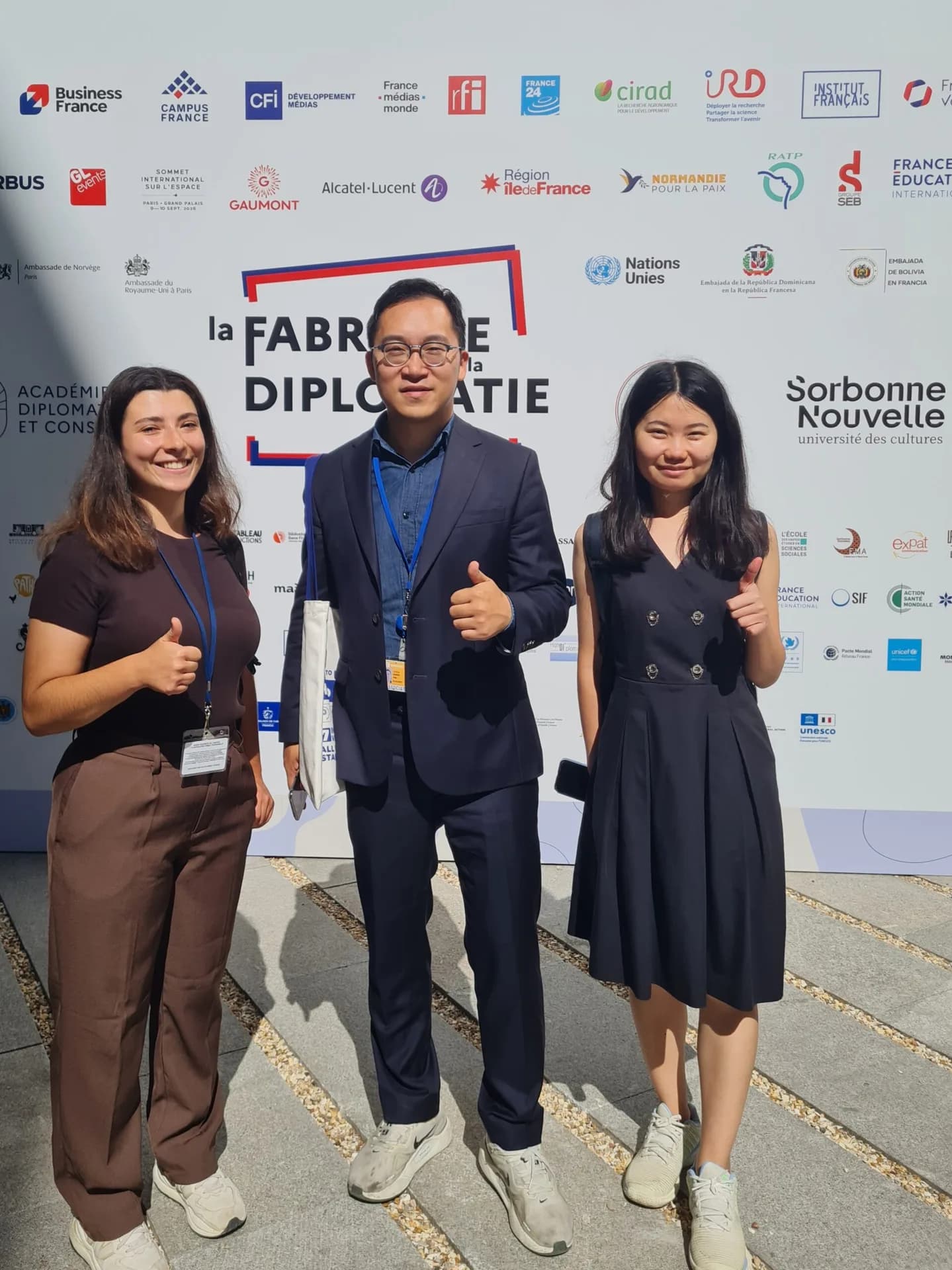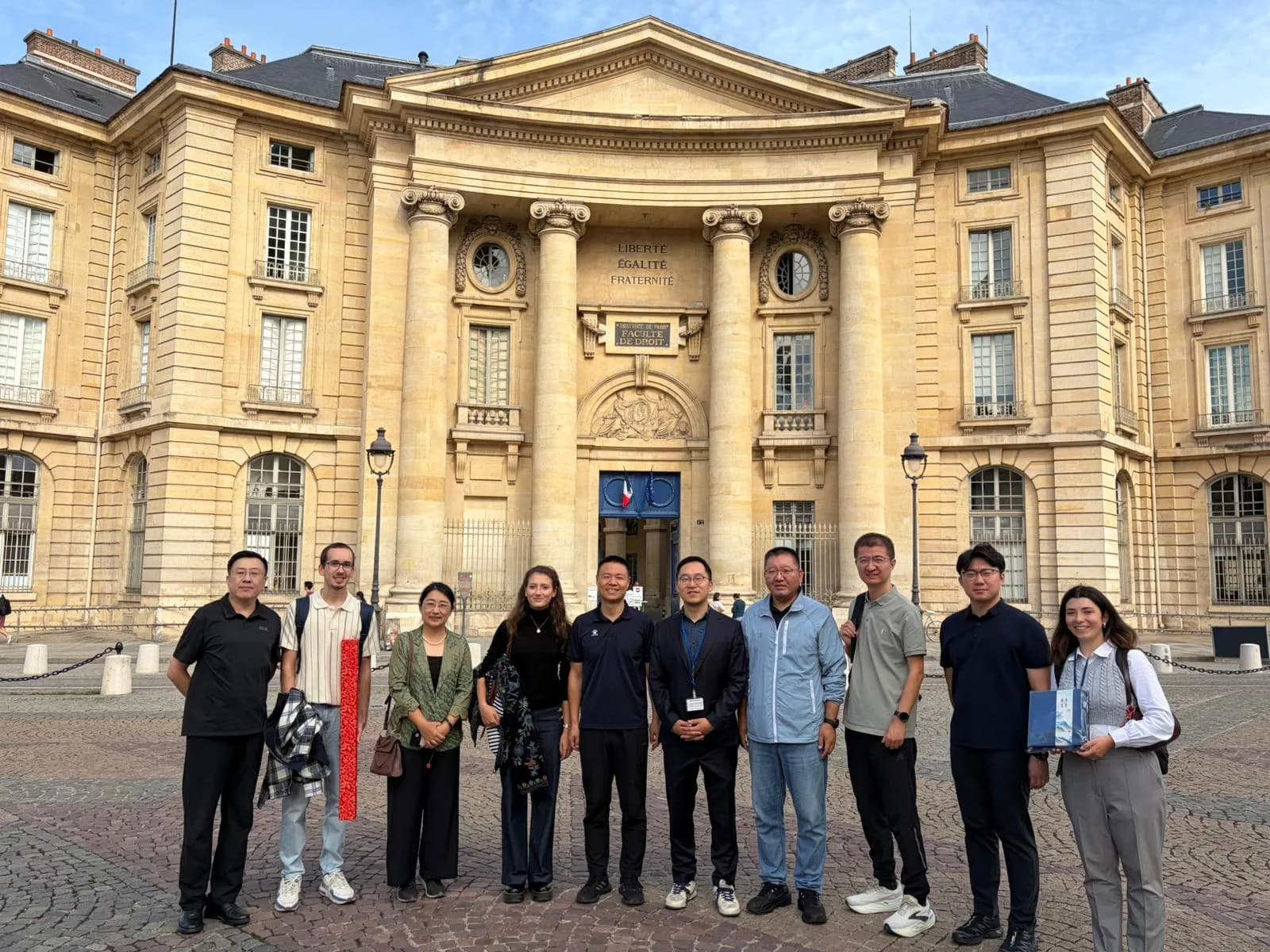

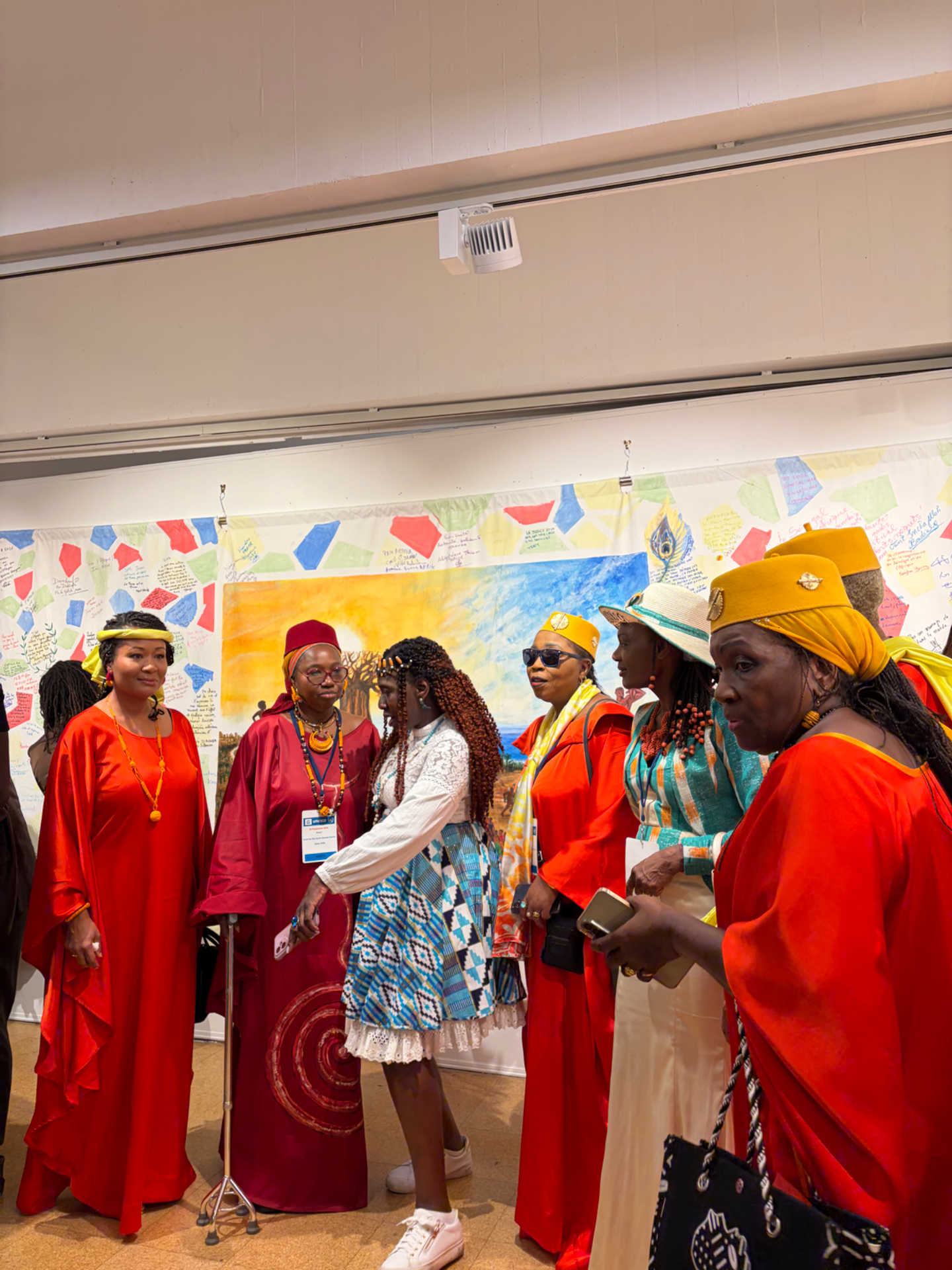
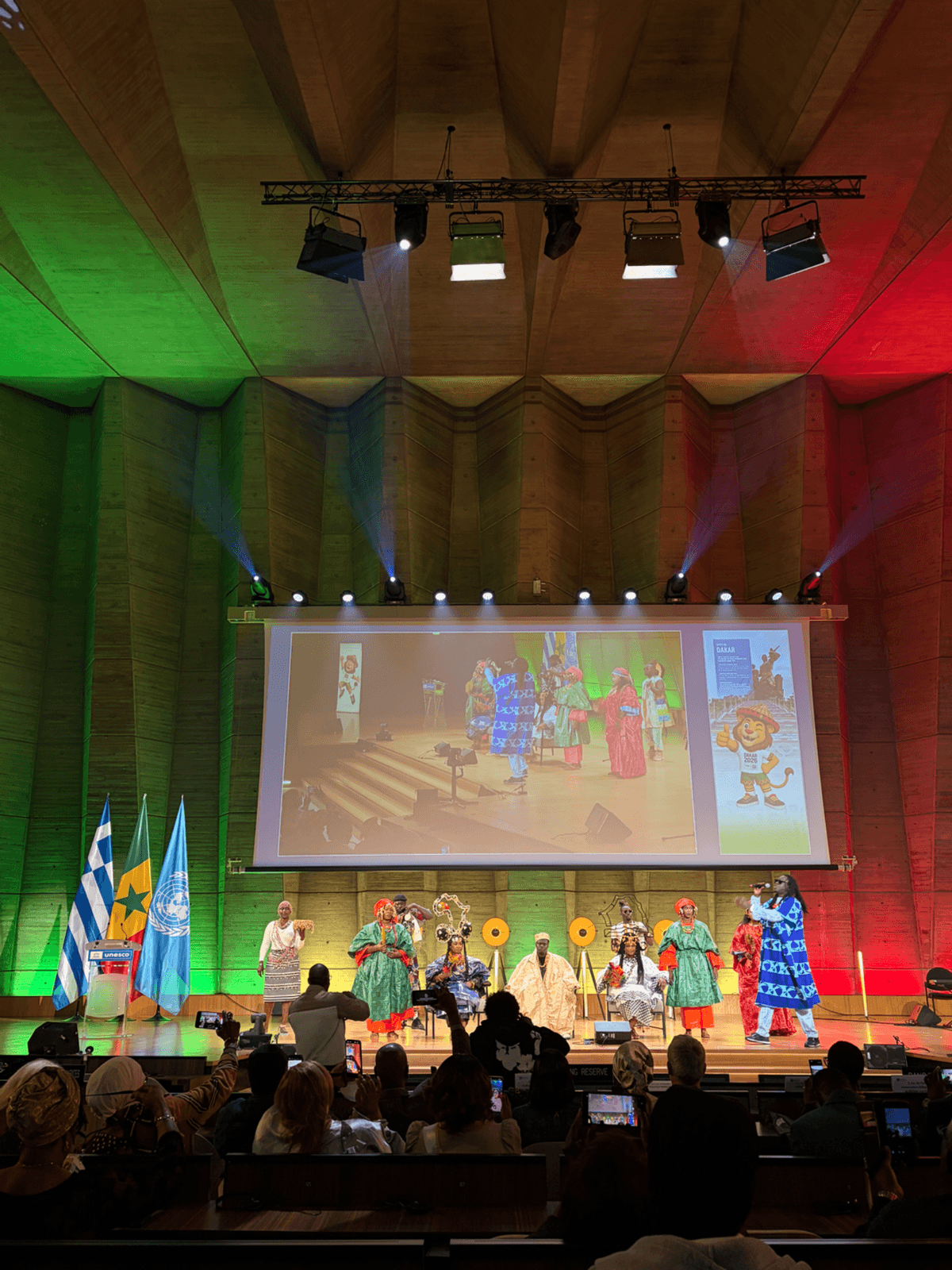
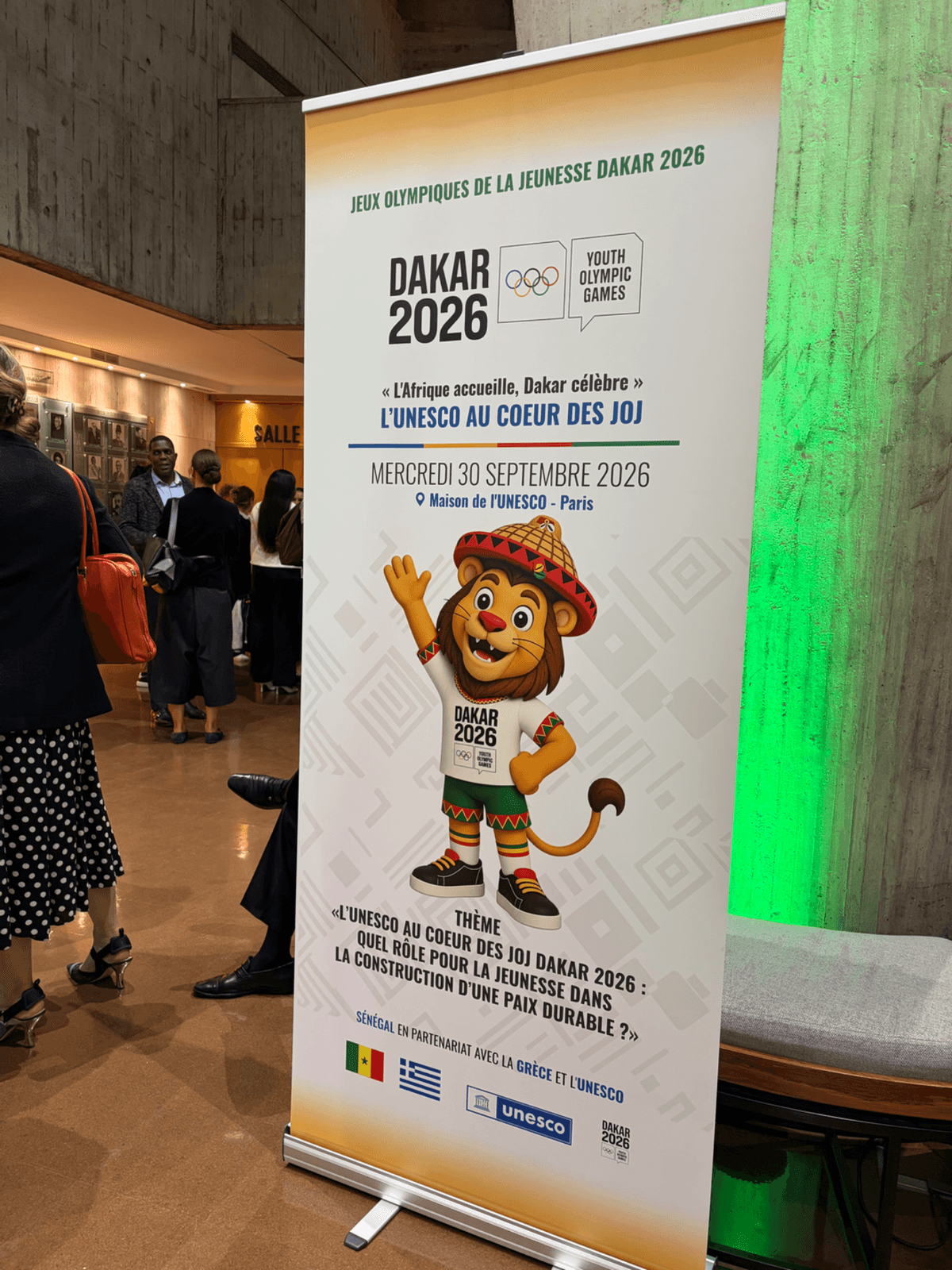
On 30 September 2026, the Global Youth Dialogue Among Civilizations Alliance (GYDCA) had the pleasure of attending the event “UNESCO at the Heart of the Dakar 2026 Youth Olympic Games: What Role Can Youth Play in Building Sustainable Peace?”, held at UNESCO Headquarters in Paris.
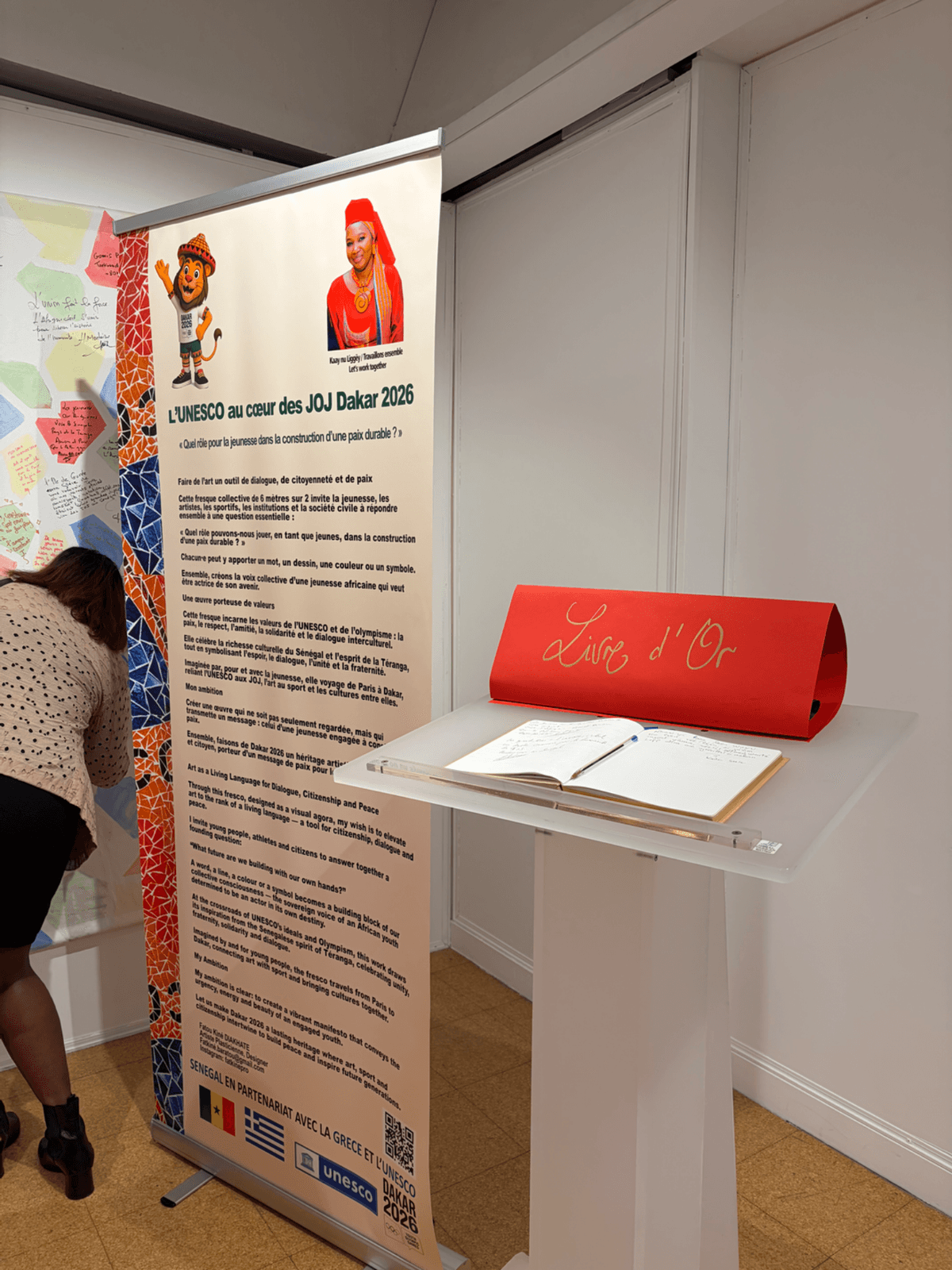
Organised by the Permanent Delegation of Senegal to UNESCO, in partnership with the Permanent Delegation of Greece and UNESCO, the event brought together members of the diplomatic community, representatives of the Olympic and sporting movement, cultural figures and actors committed to youth empowerment and development through sport. The official UNESCO programme included both an exhibition and a meeting dedicated to the promotion of the Dakar 2026 Youth Olympic Games.
For GYDCA, the event represented a valuable opportunity to engage with a subject closely connected to our mission: the role of young people in building dialogue, strengthening connections across cultures and contributing to more peaceful and inclusive societies.
From Dakar to the world: a historic moment for Africa
The significance of Dakar 2026 extends far beyond sport.
From 31 October to 13 November 2026, Senegal will host the fourth Summer Youth Olympic Games, bringing together approximately 2,700 young athletes for 14 days of competition. The official programme comprises 151 events, 25 competition sports and 35 International Federations, with activities taking place across Dakar, Diamniadio and Saly. Most importantly, Dakar 2026 will become the first Olympic sporting event in history to be held on the African continent.
This historic dimension gives the Games a significance that reaches well beyond the competition venues. Senegal was selected to host the Games in 2018, and Dakar 2026 has been conceived not only as an international sporting event but also as a platform through which African youth, culture and creativity can be placed at the centre of the global Olympic movement. The Games' official slogan captures this ambition: “Africa welcomes, Dakar celebrates.”
Sport, in this context, becomes a common language: a means of bringing together young people who may come from different countries, cultures and backgrounds but who share the same space, rules and experience.
What role can youth play in building sustainable peace?
This was precisely the question at the centre of the discussions at UNESCO.
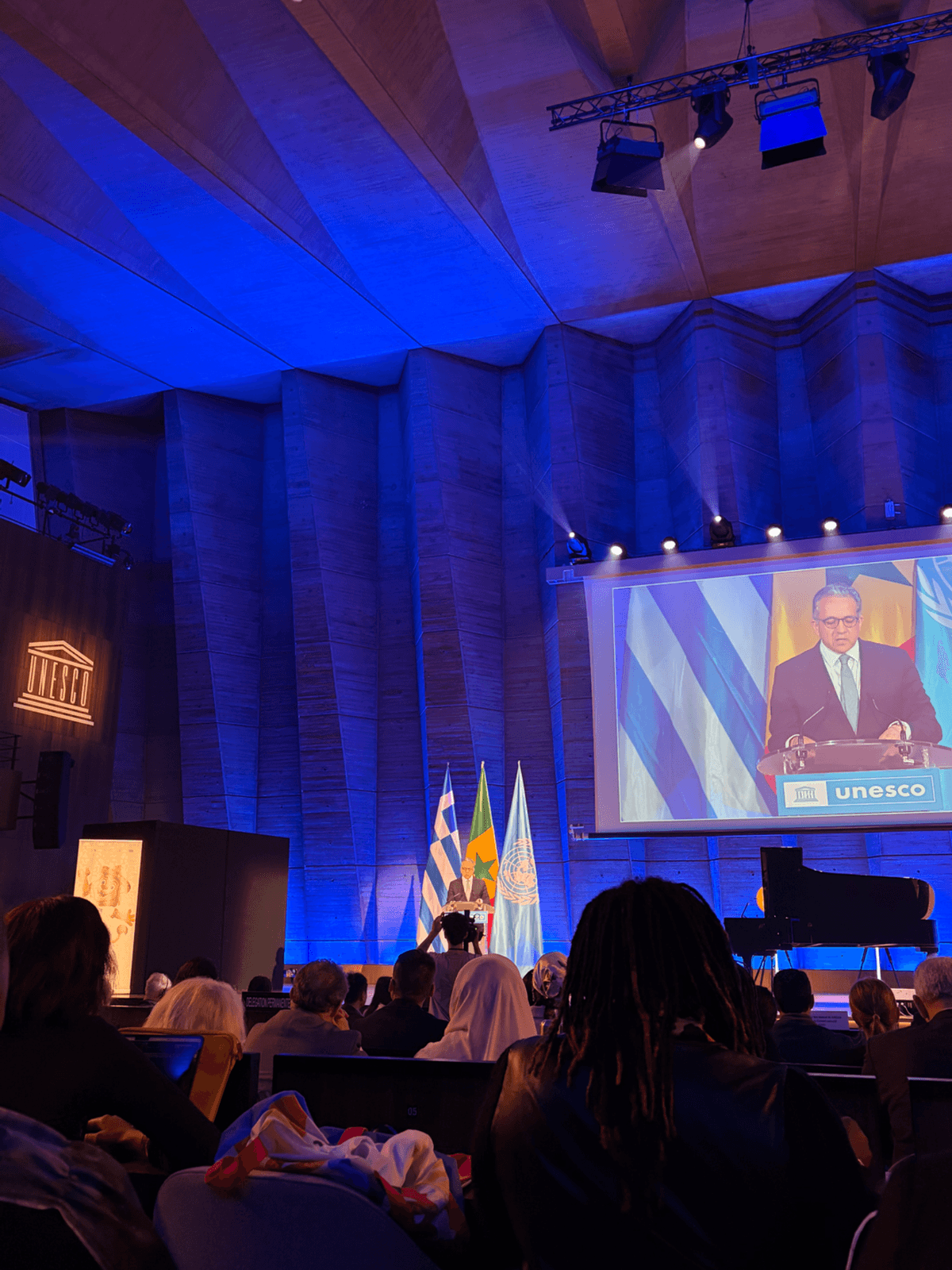
The official ceremony included an address by H.E. Pierre Maad Faye, Ambassador and Permanent Delegate of Senegal to UNESCO, followed by an intergenerational panel and testimonies from figures connected to the Olympic and sporting movement.
Throughout the afternoon, discussions explored the potential of sport, education, culture and intercultural dialogue as instruments for sustainable peace.
For young people, sport can provide much more than physical competition. It can create environments in which participants learn to cooperate, respect common rules, manage differences, develop leadership and encounter people whose experiences may be very different from their own.
This philosophy is already visible in the wider preparations for Dakar 2026. The IOC describes community engagement as a central component of the Games, bringing together sport, education and cultural expression to foster dialogue and connections between communities and nations. More than 380,000 young people have already been reached through the Olympic Civic and Sports Certificate programme, which introduces participants to Olympic values and life skills.
The Games are therefore not conceived simply as two weeks of international competition. Their wider ambition is to create a social, educational and human legacy.
Youth at the centre, not on the sidelines
One of the most relevant messages for GYDCA was the importance of treating young people not simply as beneficiaries of international initiatives, but as participants and actors capable of contributing to them.
Dakar 2026 has developed several initiatives designed around this principle. Among them is the Dakar 2026 Learning Academy, a legacy programme created to recruit and train more than 400 young professionals in the delivery of the Games, helping to develop local expertise that can remain long after the closing ceremony.
Previous editions of the Dakar en Jeux Festival have similarly combined sport, music and cultural activities while giving young people opportunities to discover new disciplines and engage with Olympic values. The initiative has grown into a flagship component of the road to Dakar 2026 and has already involved thousands of participants.
This approach reflects an important idea: a major international event can have its greatest impact when young people are not only invited to watch it, but are given the opportunity to participate, learn, organise, create and connect through it.
Inclusion, equality and the social responsibility of sport
The discussions at UNESCO also take place within a broader effort to use Dakar 2026 as a platform for inclusion and social development.
The Games' programme has been designed to promote gender parity among athletes, while its sustainability strategy seeks to generate lasting benefits for local communities by advancing inclusion, diversity and gender equality.
UNESCO is also using the momentum surrounding Dakar 2026 to address discrimination and gender-based violence in and through sport. Its “Red Card” campaign, developed in connection with the Games, seeks to mobilise young people, athletes, sporting organisations and institutions around gender equality, human rights and zero tolerance for violence and discrimination. The initiative also supports UNESCO's wider Fit for Life programme and connects the Games with the Sustainable Development Goals and the African Union's Agenda 2063.
This broader dimension is essential to understanding why Dakar 2026 matters. Sport can create powerful spaces for participation and belonging, but its positive potential depends on those spaces being safe, inclusive and accessible.
Culture as part of the Olympic experience
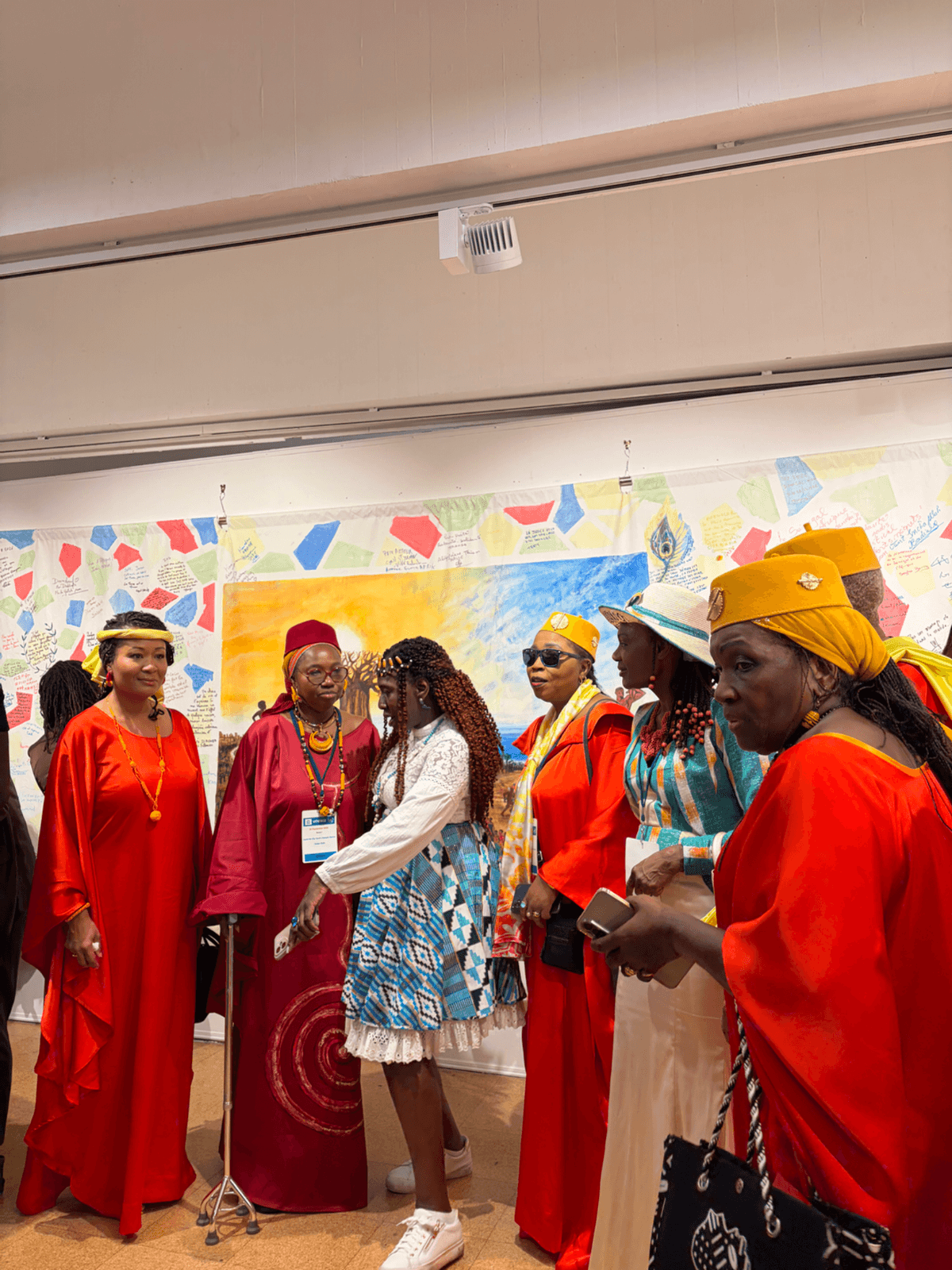
The event at UNESCO also demonstrated that Dakar 2026 is as much about cultural encounter as it is about athletic performance.
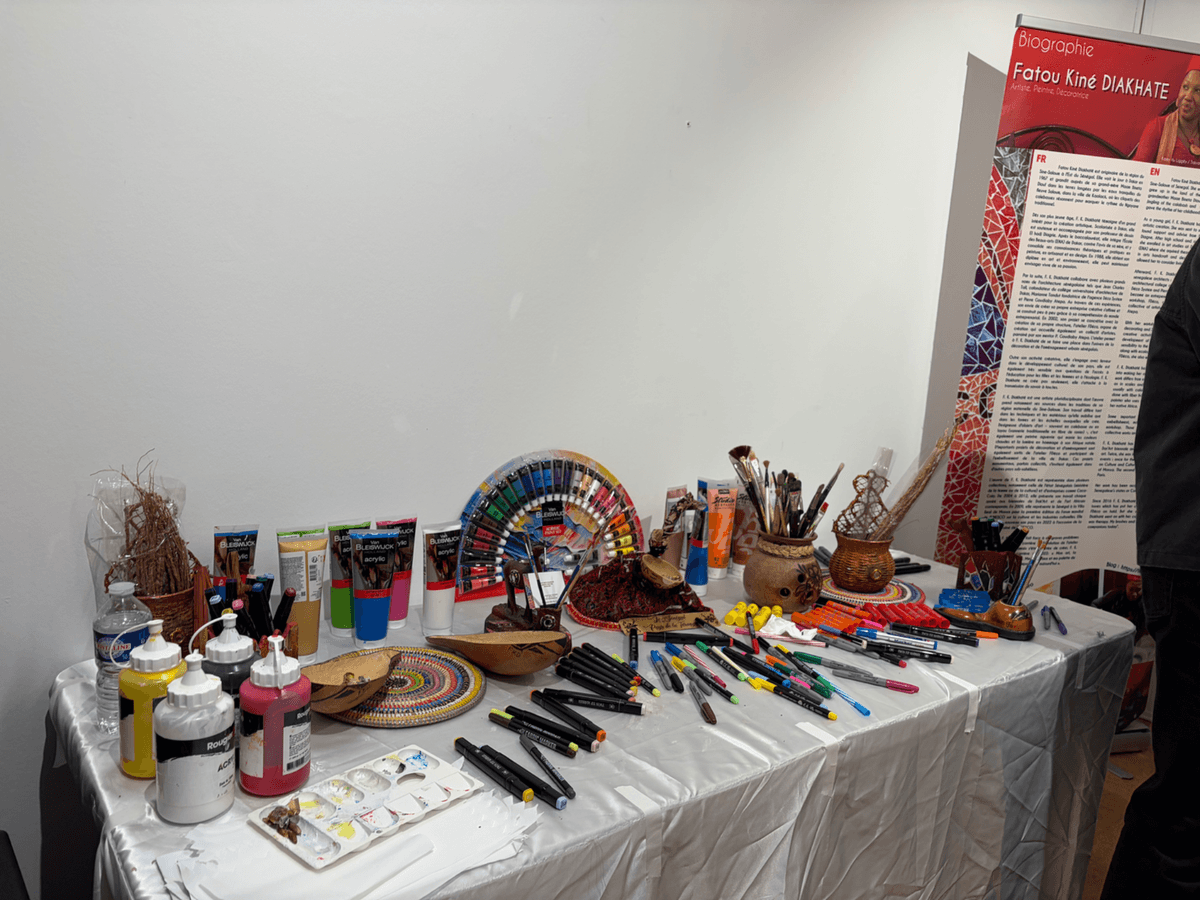
Alongside the official discussions, participants were invited to discover an exhibition dedicated to Olympism, athletes, literature and traditional pharmacopoeia. The programme also featured musical performances by renowned Senegalese artist Ismaël Lô and Franco-Greek singer Dafné Kritharas, reinforcing the cultural dimension of the afternoon.
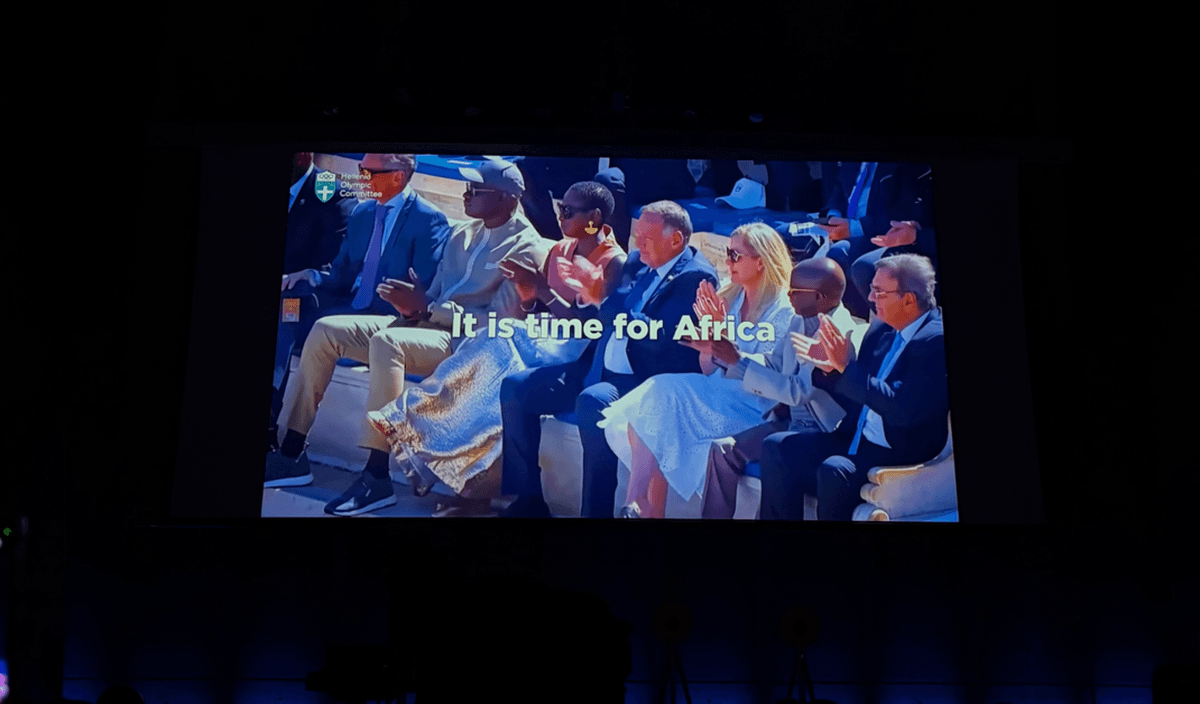
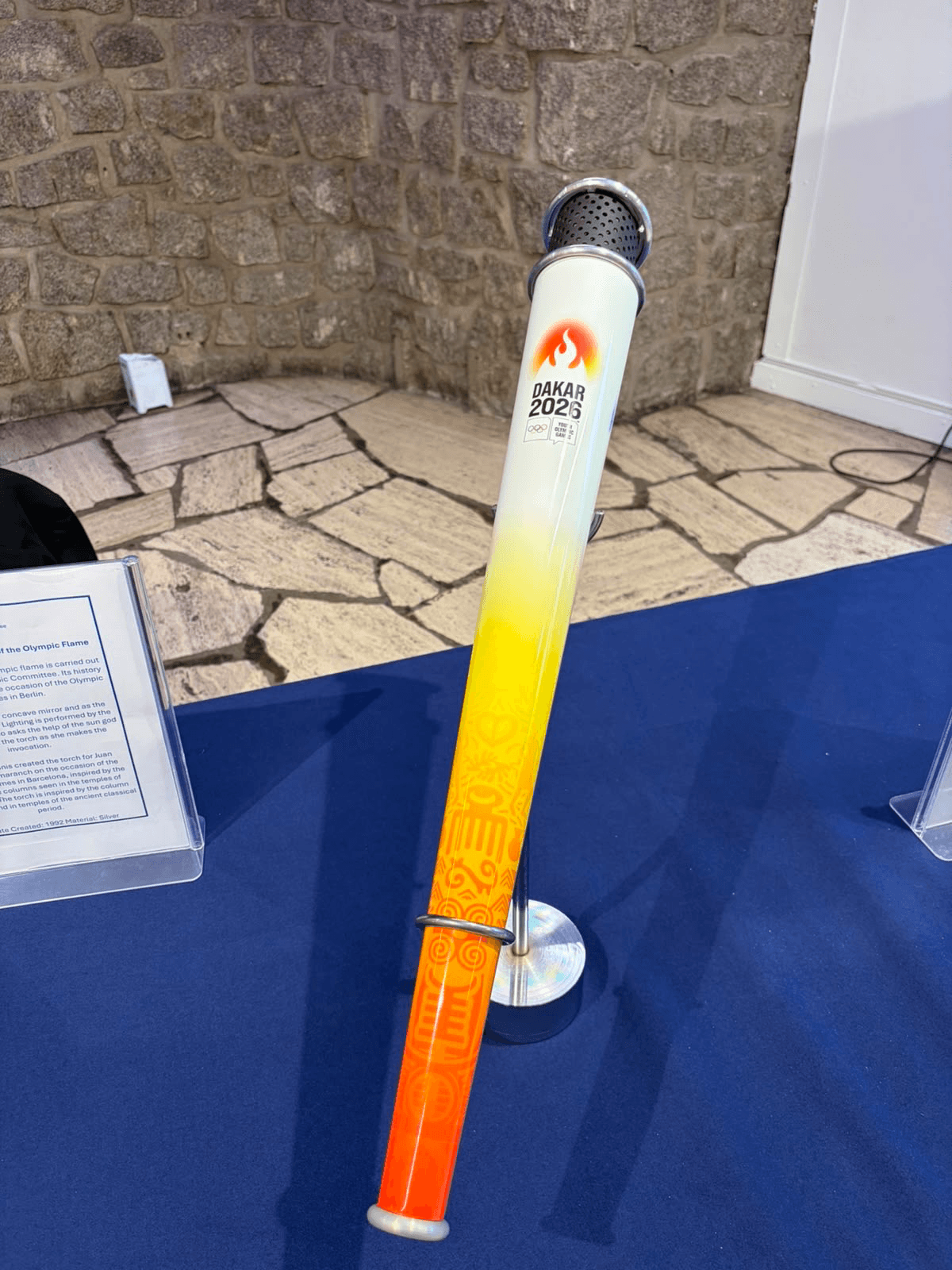
The presence of Senegal and Greece within the same event was particularly symbolic. In September, the Youth Olympic flame was lit at the historic Panathenaic Stadium in Athens before travelling to Senegal, where it began its journey across the country ahead of the Games. The IOC described the flame as marking the beginning of a new chapter for the Olympic Movement as the Olympic experience reaches Africa for the first time.
From Athens to Dakar and from sport to music, education and cultural heritage, these connections underline the ability of international events to create encounters between histories, generations and cultures.
Beyond competition: building a lasting legacy
The idea of legacy is central to Dakar 2026.
The Games aim to leave behind not only sporting infrastructure but also skills, professional opportunities, educational programmes and stronger local capacity. Official Dakar 2026 materials emphasise inclusion, diversity, citizenship, solidarity, leadership, environmental responsibility and socio-economic development as part of this longer-term vision.
This is particularly significant for a Youth Olympic Games.
The young athletes arriving in Senegal will compete for sporting achievements, but the experience surrounding those competitions also creates opportunities for cultural exchange, learning and relationships that cross national boundaries.
In that sense, Dakar 2026 provides an opportunity to consider a wider question: what can international sport contribute to society when competition is combined with education, culture, inclusion and dialogue?
The event at UNESCO offered one possible answer. Sport alone cannot build sustainable peace, but it can provide spaces in which some of the foundations of peaceful coexistence, respect, participation, dialogue, inclusion and mutual understanding can be practised and strengthened.
Why Dakar 2026 matters to GYDCA
For GYDCA, attending this event was particularly meaningful because many of these ideas are closely connected to our own work.
Our mission is rooted in the conviction that young people should have opportunities to meet across cultures, exchange perspectives, build international connections and participate actively in conversations about the future they will inherit.
Dakar 2026 demonstrates how sport can become another powerful platform for this kind of dialogue.
Bringing together thousands of young people from around the world on African soil creates an exceptional opportunity for encounters that go beyond nationality and competition. Athletes, volunteers, organisers, artists and young professionals will all contribute to an international experience shaped by Senegalese culture and by the broader aspirations of a continent whose youth will play an increasingly important role in the global future.
Our participation at UNESCO was therefore an opportunity not only to learn more about the upcoming Youth Olympic Games, but also to reflect on how sport, diplomacy, education and culture can work together to empower young people and strengthen dialogue between communities.
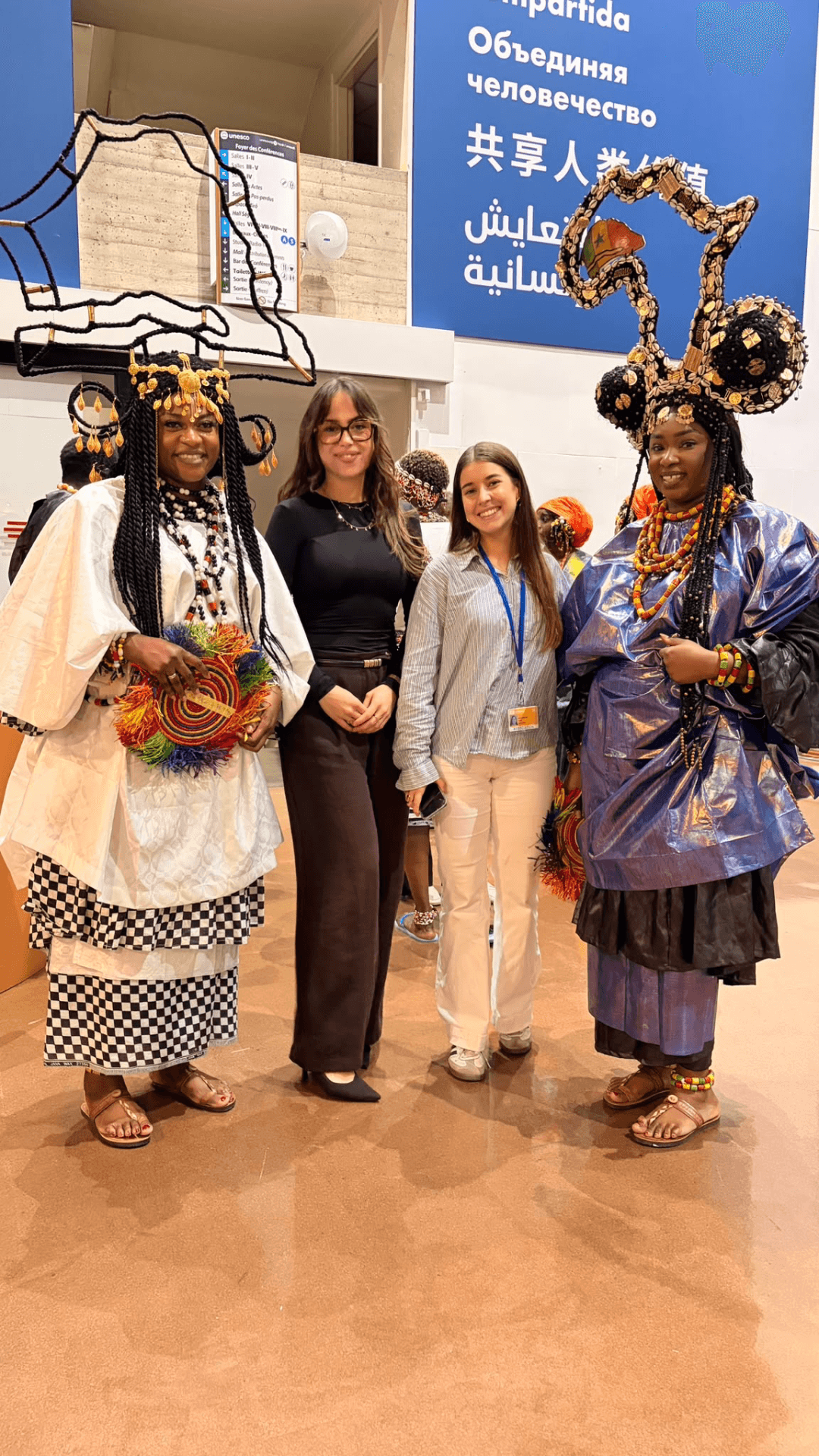
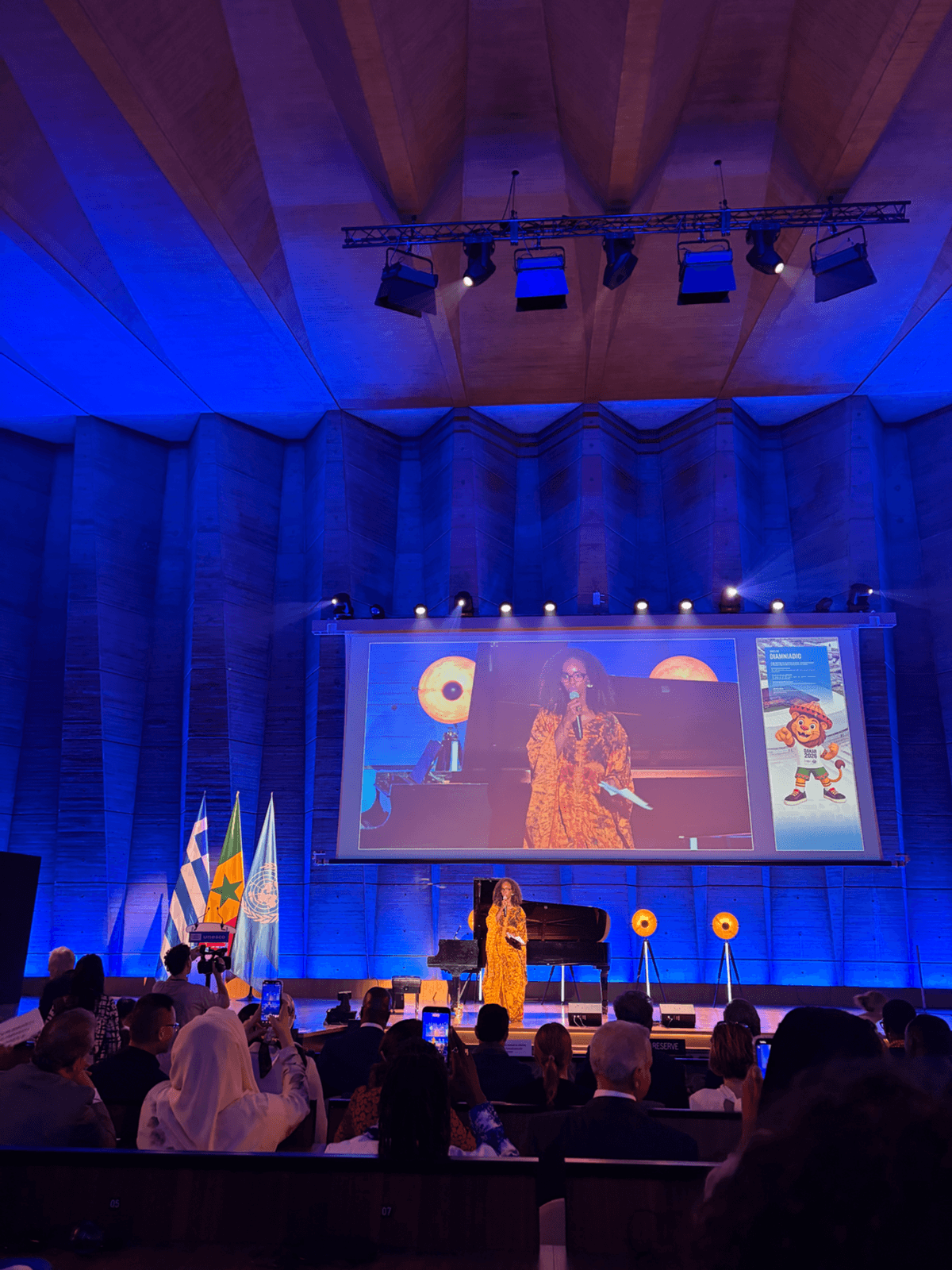
We were honoured to attend this important gathering at UNESCO Headquarters and to hear directly from diplomatic, sporting and cultural voices involved in the journey towards Dakar 2026.
As the countdown continues towards 31 October 2026, one message from the afternoon stands out clearly: the legacy of Dakar 2026 will not be measured only in medals or sporting records, but also in the connections created, the young people empowered and the opportunities opened for dialogue, inclusion and cooperation.
Africa welcomes. Dakar celebrates. And a new generation takes its place at the heart of the Olympic story. 🇺🇳🇸🇳🌍
#Dakar2026 #YouthOlympicGames #GYDCA #UNESCO #Youth #SportForPeace #YouthEmpowerment #Peace #OlympicMovement #Senegal #Africa #InterculturalDialogue #InternationalCooperation