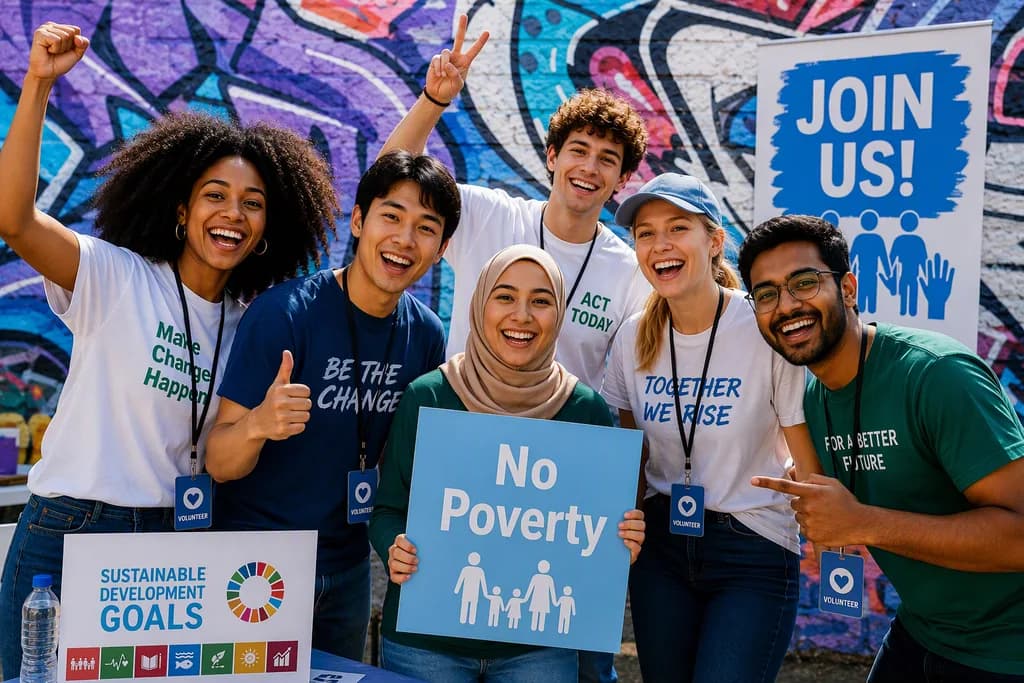

12 August 2026 marks International Youth Day, an opportunity to recognize young people not simply as beneficiaries of development, but as active participants, innovators and partners in shaping our shared future.

This year, the United Nations observes International Youth Day under the theme “Different Contexts, Common Aspirations.” The theme carries a message that resonates strongly with the mission of the Global Youth Dialogue among Civilizations Alliance (GYDCA): young people grow up in remarkably different social, cultural, economic and geographic environments, yet many of their fundamental aspirations transcend these differences.
Across countries and communities, young people aspire to dignity and opportunity. They want meaningful participation in decisions affecting their lives, access to quality education and decent work, and the possibility of building a peaceful, inclusive and sustainable future.
Our contexts may be different. Our aspirations often bring us together.
Different Realities, Shared Challenges
There is no single global youth experience.
A young person growing up in a major international city may face very different opportunities and challenges from someone living in a rural community, a Small Island Developing State, a Least Developed Country or a Landlocked Developing Country.
Economic circumstances, access to education, digital connectivity, cultural traditions and exposure to climate risks can profoundly influence the possibilities available to young people.
Yet many challenges increasingly cross borders.
Young people around the world are navigating transformations in education and employment, artificial intelligence and digital technologies, climate change, social inclusion and well-being. Decisions being taken today will shape the societies in which this generation will live and lead for decades to come.
Responding effectively therefore requires both sensitivity to different local realities and a willingness to cooperate across national and cultural boundaries.
This is where dialogue becomes essential.
Future-Ready Skills: Preparing Young People to Shape Change
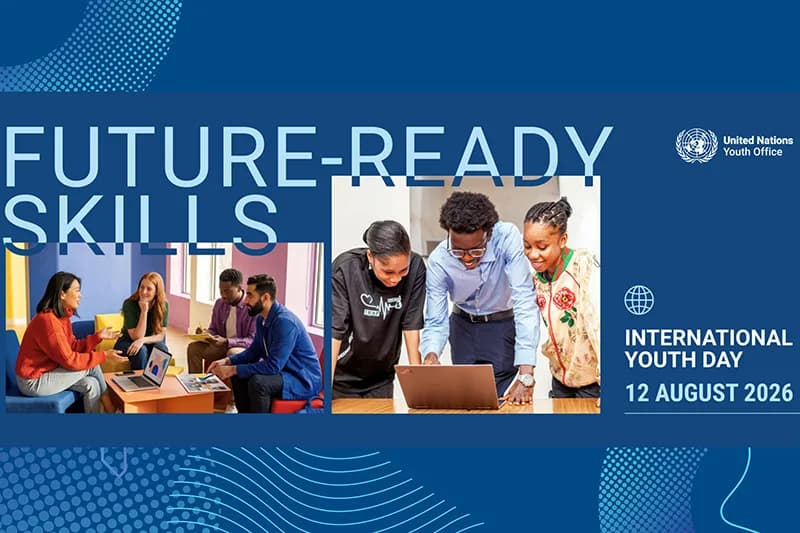
International Youth Day 2026 also places particular emphasis on future-ready skills.
Technological change is transforming how we learn, communicate and work. Digital and AI literacy will increasingly influence young people’s ability to participate fully in society and the economy.
But preparing for the future cannot be reduced to technological competence alone.
The future also requires profoundly human capacities: critical thinking, creativity, empathy, communication, resilience, collaboration and the ability to understand perspectives different from our own.
For GYDCA, intercultural competence belongs within this conversation.
In an increasingly interconnected world, being future-ready also means knowing how to communicate across cultures, listen respectfully to different perspectives, question assumptions and cooperate with people whose experiences may be very different from one’s own.
Technology can connect people across continents within seconds. Genuine understanding, however, still requires dialogue.
Young People as Co-Creators
Perhaps one of the most important shifts in conversations about youth development is moving from asking what should be done for young people to asking what can be created with them.
Young people are already developing solutions within their communities, building organizations, creating businesses, using technology in new ways, advocating for social and environmental causes, producing art and culture, and creating networks that cross traditional boundaries.
Their participation should therefore not be symbolic.
Young people need meaningful opportunities to contribute their knowledge and lived experiences to institutions and decision-making processes. They need spaces where they can disagree constructively, develop ideas, experiment, collaborate and take leadership.
Youth empowerment begins by recognizing young people as partners and co-creators, rather than simply recipients of policies designed by others.
Dialogue Among Civilizations as a Future-Ready Skill
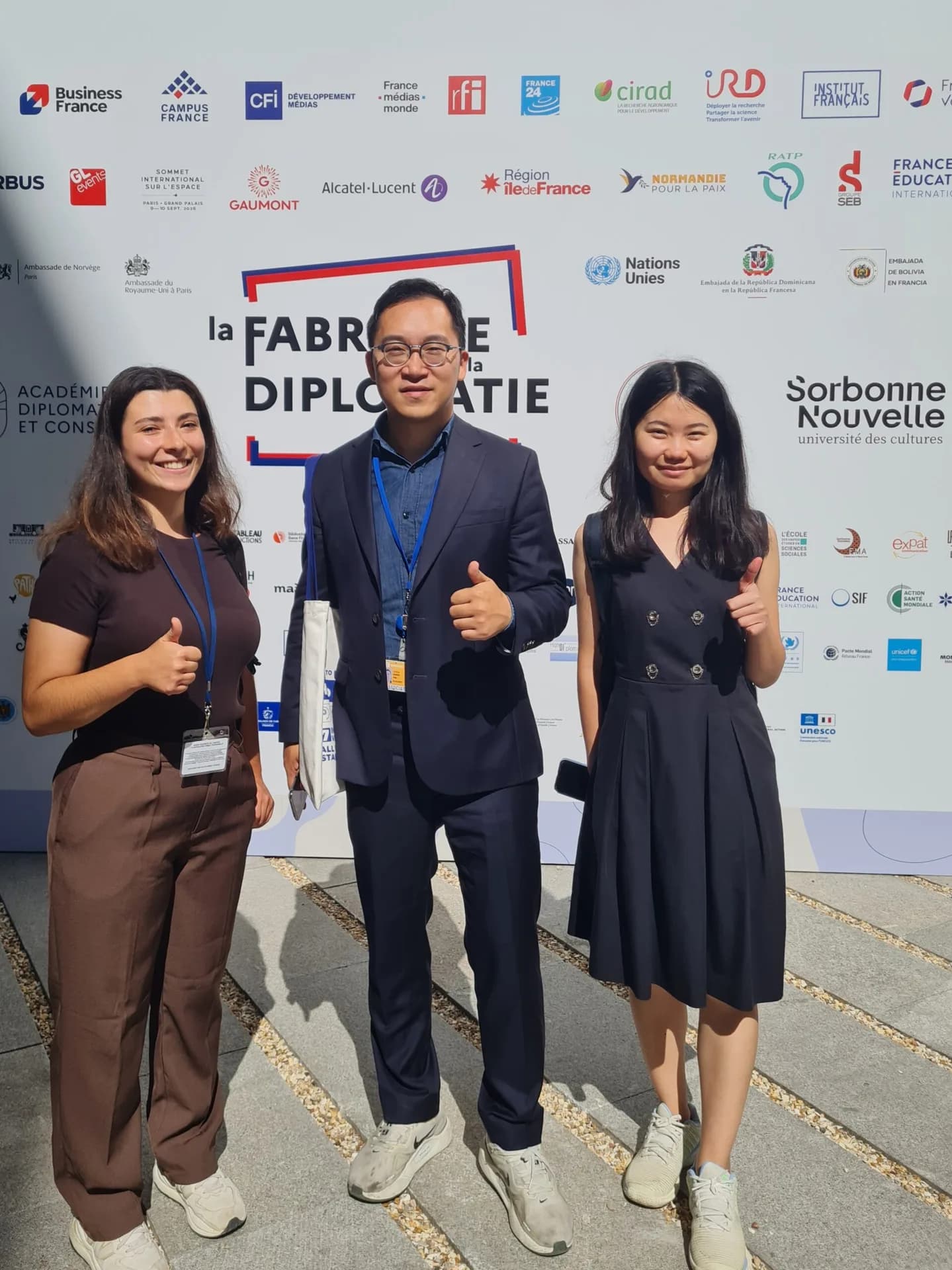
At GYDCA, we believe one dimension deserves particular attention: the ability to engage meaningfully across civilizations and cultures.
Today’s young people will inherit a world in which many of the greatest challenges—from climate change and technological governance to sustainable development—cannot be addressed by one country, culture or region alone.
International cooperation therefore requires more than institutional agreements. It also requires generations of people capable of understanding one another.
Cross-cultural dialogue teaches us to listen before judging, to remain curious about unfamiliar perspectives and to recognize that differences in history, language and tradition do not prevent us from identifying shared aspirations.
These are not secondary abilities. They are practical skills for leadership in an interconnected world.
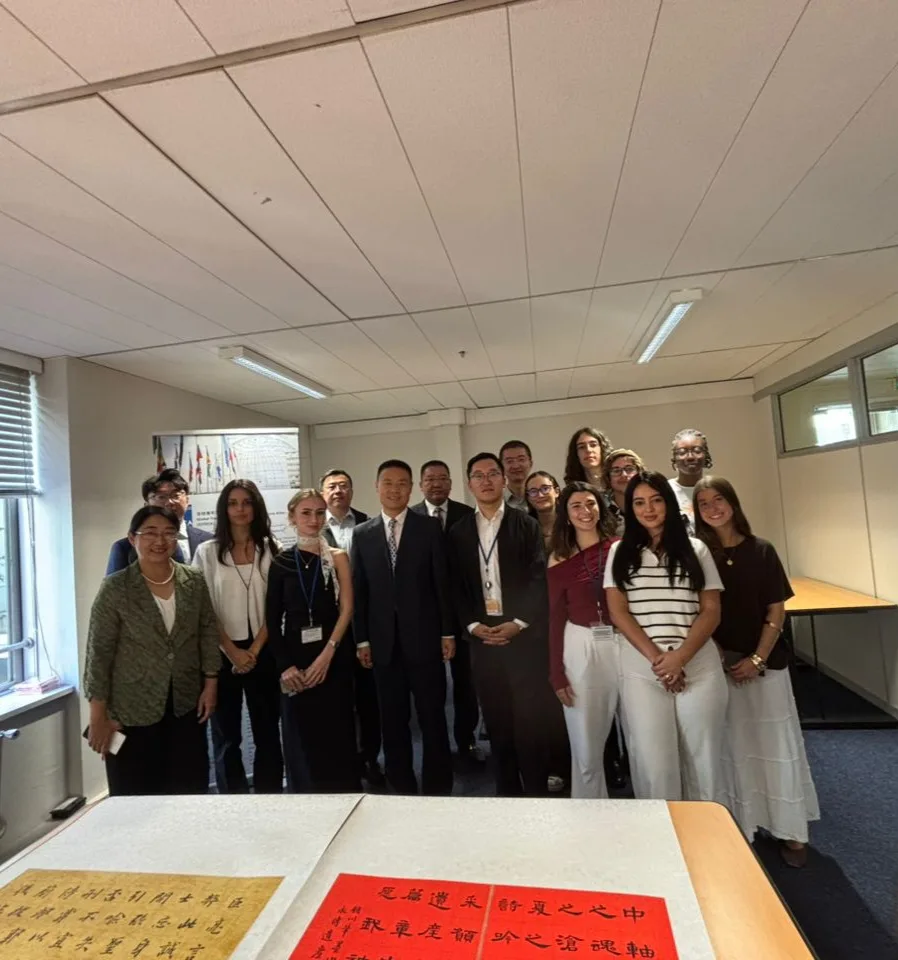
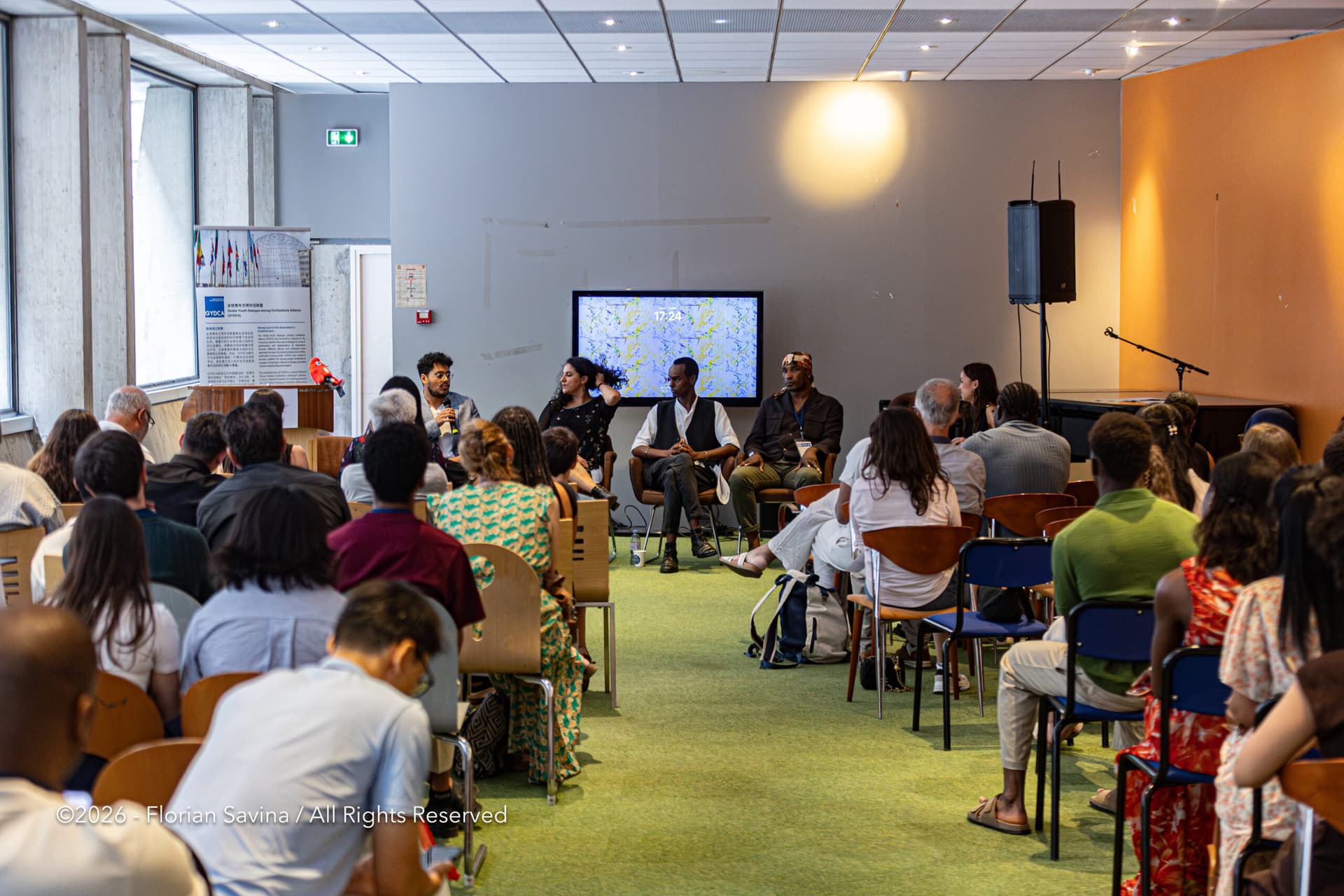
When young people from different backgrounds meet as equals, they can discover something important: difference does not eliminate common ground.
Indeed, diversity can strengthen cooperation by bringing new experiences, ideas and approaches to the same challenge.
From Local Action to Global Solidarity
International Youth Day 2026 also reminds us that local youth action is connected to a much larger global effort.
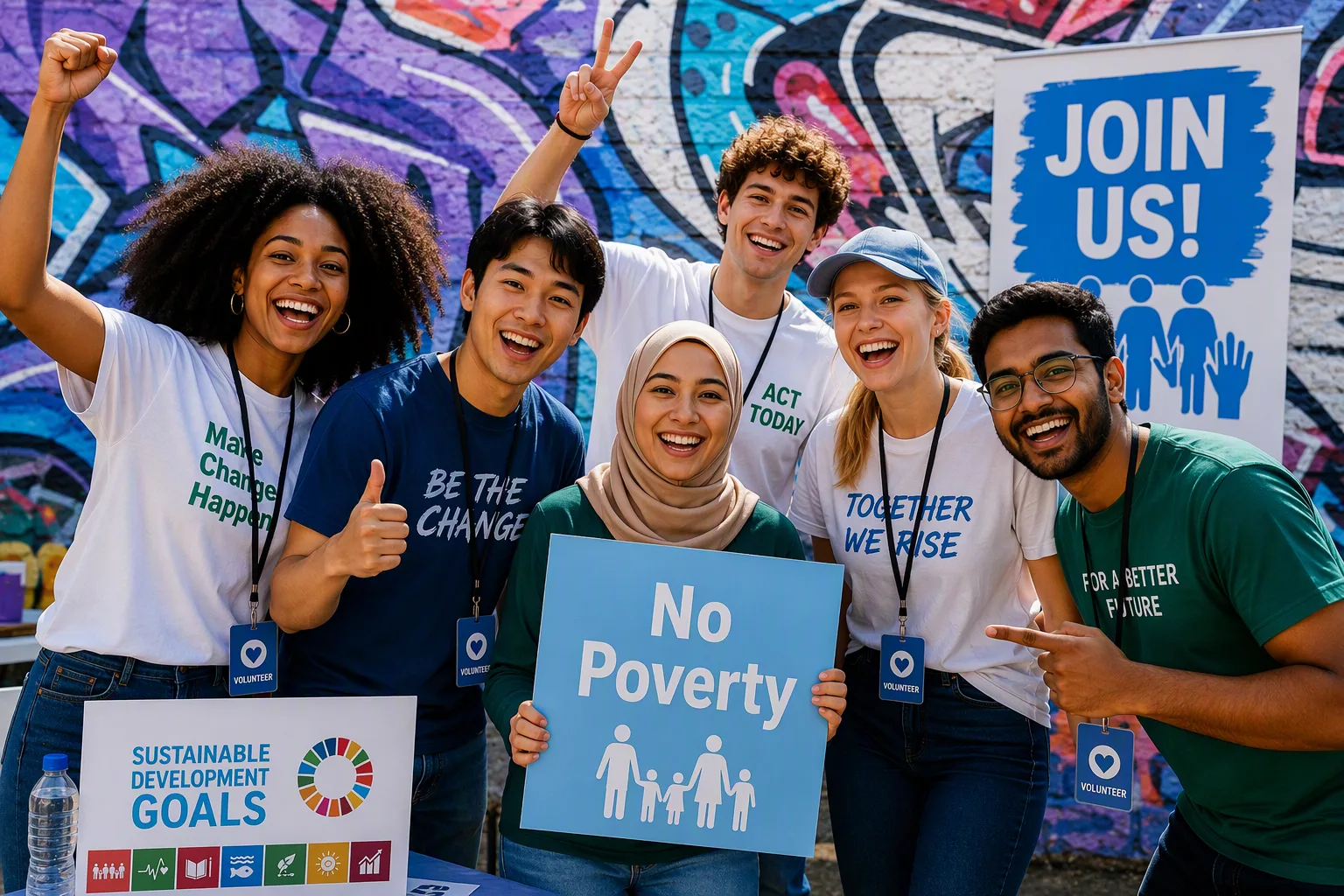
A youth-led environmental project in one community, an educational initiative in another, a social enterprise, an intercultural exchange or a digital innovation may begin locally. Yet each can contribute to broader efforts toward sustainable development and the Sustainable Development Goals (SDGs).
This relationship between the local and the global is central to meaningful youth empowerment.
Global solidarity does not mean expecting every young person to pursue the same priorities or follow the same path. It means ensuring that young people, regardless of where they live, have opportunities to develop their capacities, make their voices heard and contribute to solutions.
It also means creating opportunities for young people from different contexts to learn from one another, rather than assuming that knowledge moves in only one direction.
Join the Conversation: What Skills Will Shape Our Future?
As part of International Youth Day 2026, the United Nations Youth Office is inviting young people and their allies around the world to contribute to the conversation on future-ready skills.
Three questions are at the heart of this global exchange:
What is one skill every young person should have by 2030?
What future-ready skill matters most to you?
Which human skill do you think AI can never replace?
GYDCA encourages young people throughout its network, as well as our partners, members and friends, to contribute their perspectives.
The responses will not simply celebrate International Youth Day. They can also help broaden the conversation about the knowledge, competencies and human qualities young people need to navigate change and actively shape their futures.
Share your perspective through the UN Youth Office’s interactive Padlet:
https://padlet.com/unyouthaffairs/future_ready_skills
Different Contexts. Common Aspirations. Shared Responsibility.
International Youth Day is both a celebration and a reminder.
We celebrate the creativity, resilience, ideas and leadership that young people already bring to their communities.
At the same time, we must continue building environments in which their potential can flourish—through education, equitable access to skills, meaningful participation, international cooperation and opportunities for genuine cross-cultural exchange.
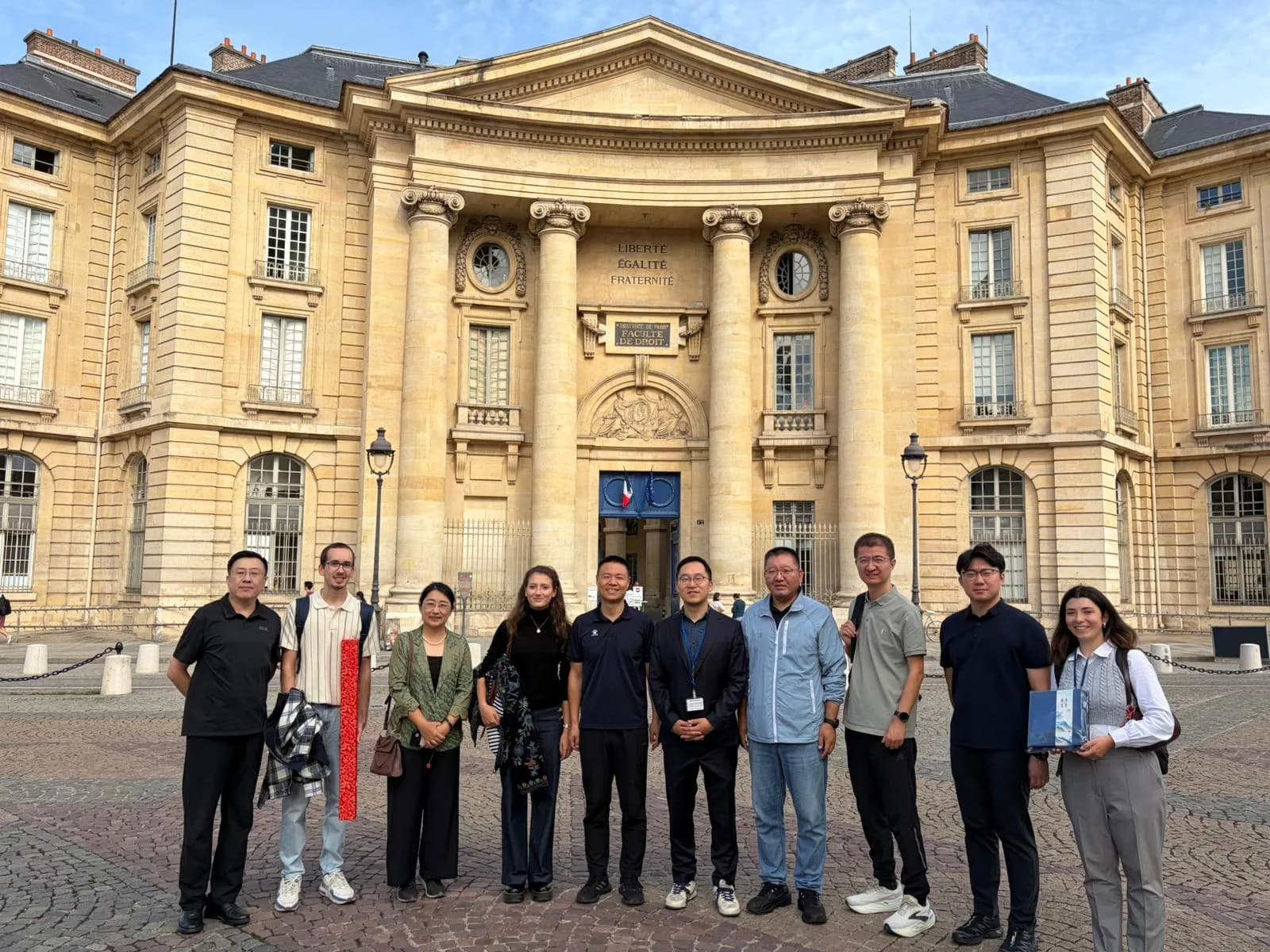
For the Global Youth Dialogue among Civilizations Alliance, this also means ensuring that young people have opportunities to encounter the world’s cultural diversity directly and to develop the confidence and understanding needed to engage across differences.
The generation preparing for 2030 and beyond will need technological knowledge. It will need creativity, critical thinking and adaptability. But it will also need something fundamentally human: the capacity to understand one another.
Different contexts do not have to divide us.
Shared aspirations can become the starting point for dialogue.
And dialogue can become the foundation for a future that young people do not simply inherit, but actively help to create.
Happy International Youth Day 2026!
Learn More and Participate
United Nations – International Youth Day 2026
https://www.un.org/en/observances/youth-day
UN Youth Office – Future-Ready Skills for Youth
https://www.un.org/youthaffairs/en/future-ready-skills
Join the Future-Ready Skills Conversation
https://padlet.com/unyouthaffairs/future_ready_skills