
Munesco - Recap of the day
On 18 September 2026, at UNESCO Headquarters in Paris, the first edition of MUNESCO, organised by Diplomacy and Her Voice in partnership with the Global Youth Dialogue among Civilizations Alliance (GYDCA), brought together young delegates for an afternoon of diplomacy, negotiation and debate around one central question: Should women’s equal representation in peace negotiations become a binding international requirement?
The day began with the arrival of participants shortly before 2 p.m. Each participant stepped into a specific role, representing a State, the press or civil society, before taking their place for what would soon become a genuine diplomatic simulation. The programme formally opened with a presentation of Diplomacy and Her Voice, GYDCA and the purpose behind their partnership.
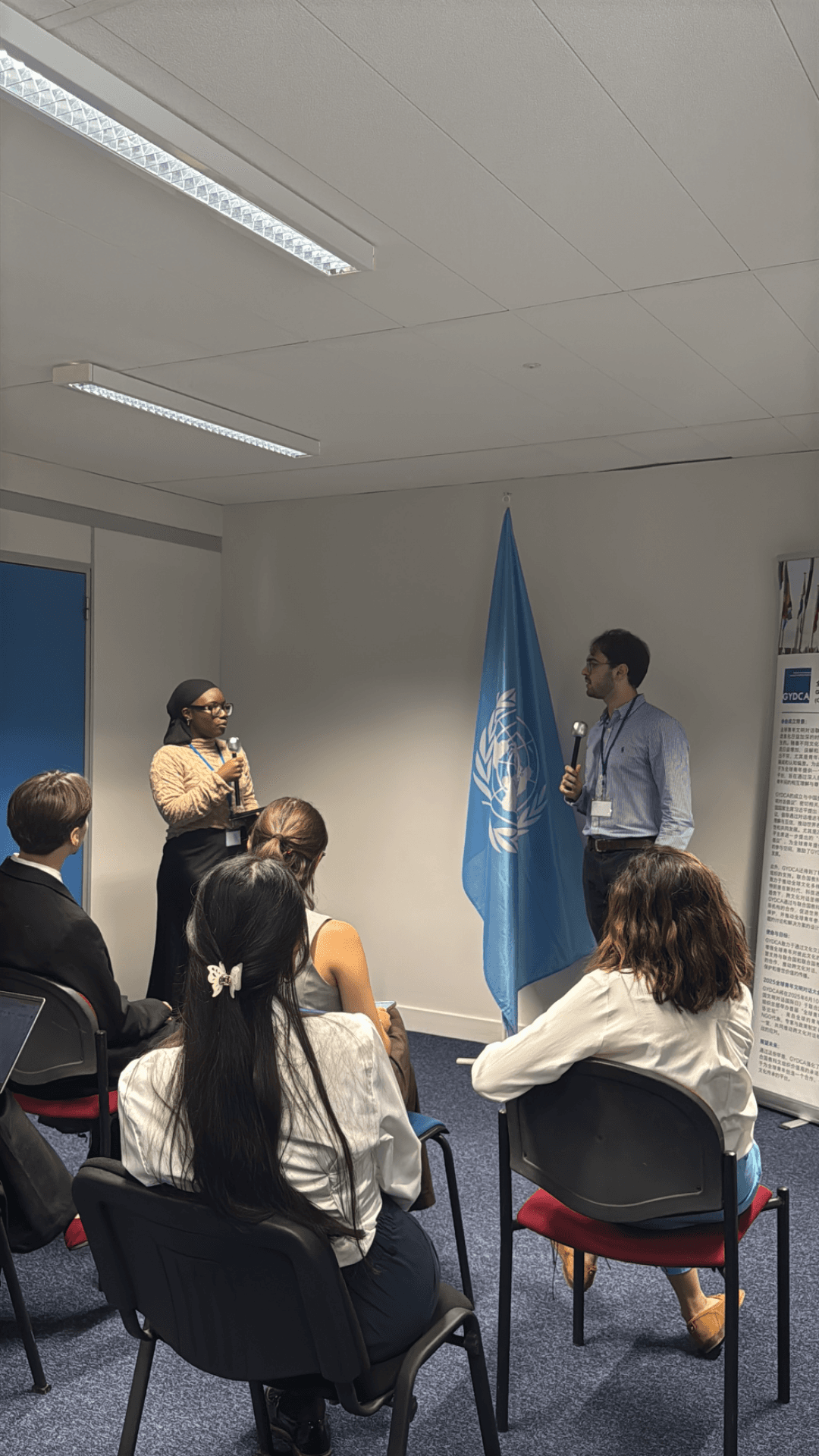
One of the highlights of the afternoon came before the negotiations had even begun, with an inspiring intervention by French diplomat Inès Berdi. Drawing on her own experience in diplomacy and multilateral environments, she spoke openly about the place of women in a field whose codes have historically been shaped by men.
Responding to questions from Fany Tambiappa and Constance Bodin, she shared a particularly personal reflection: at one point in her career, she had asked herself whether succeeding in diplomacy meant that she had to behave like a man. Her conclusion was no. Women should not have to erase or reshape who they are to fit traditional diplomatic expectations. Her intervention provided a very concrete introduction to the issue the delegates were about to confront themselves through negotiation. The agenda had deliberately placed this exchange immediately before the formal simulation, with questions focusing on negotiation, compromise and navigating diplomatic deadlocks.

Inès Berdi, French diplomat at the Ministry for Europe and Foreign Affairs.
Then, MUNESCO officially began.
Following the Rules of Procedure, roll call and opening speeches, each delegation presented its initial position on equal representation, its priorities and its red lines. The debate quickly revealed that agreeing on the importance of women’s participation was very different from agreeing on how to guarantee it.
The first moderated discussions centred on some of the most divisive questions of the simulation: Should equal representation mean a mandatory 50/50 quota? Should the United Nations be able to refuse to endorse a peace process that fails to meet gender-representation requirements?
The positions expressed by delegates demonstrated just how difficult translating the principle of equality into binding international rules could be. China, for example, opposed the idea of imposing a 50/50 requirement, while supporting greater access for qualified women wishing to participate in peace negotiations. France, while supporting the principle of parity, proposed a more progressive approach: countries facing significant structural restrictions could be given three to five years to reach 50% female participation, alongside training and educational support, with Afghanistan cited as an example.
And just as delegates were beginning to settle into their positions, the simulation changed completely.
At approximately 3:30 p.m., the press interrupted the negotiations with Breaking News: 15,000 people were demonstrating in the fictional state of HalimiLand.

Suddenly, delegates were no longer debating equality only in the abstract. They had to react to a developing political situation while remaining consistent with the interests and positions of the countries they represented. The journalist held an impromptu press conference, directly confronting delegations with statements they had made only minutes earlier during the moderated caucus. Each delegation was asked to publicly explain and defend its reaction to the crisis.
The exercise brought another dimension to the simulation: diplomacy under pressure. Delegates had to think quickly, respond publicly, preserve their national positions and anticipate how their words could affect the negotiations taking place inside the room.
After the press conference, the first unmoderated caucus transformed the room. Delegates left their seats, approached one another and began forming coalitions. The three proposed articles were negotiated simultaneously as participants tried to reconcile national positions, the consequences of the breaking news and the question of women’s representation.
Civil society enters the negotiations
After the break came another major moment of the afternoon.
The diplomatic process was interrupted once again, this time to hear directly from civil society.
“Expertise is important, but to democratise this process, we will now hear directly from civil society.”
The civil society representative delivered a powerful intervention that brought the discussion back to the people who would actually experience the consequences of the decisions being negotiated.
Rather than allowing the delegates to consider representation solely as a matter of percentages, institutional mechanisms or diplomatic compromise, her intervention introduced the concrete consequences of their choices for women and local communities. The press and delegates were then able to question her directly before returning to negotiations. This intervention had deliberately been designed to challenge some of the compromises already emerging in the room and force delegations to reconsider their proposals through the perspective of civil society.
The final negotiations became increasingly detailed. Delegations now had to transform political positions into actual legal wording.
The debate around Article 1 illustrated these tensions particularly well. Some delegations defended binding parity, while others questioned whether imposing a universal quota could disregard national realities or create unrealistic obligations for countries emerging from conflict. One intervention captured the dilemma particularly sharply: who should actually be sanctioned, a country that has just emerged from war? Delegates therefore had to confront the gap between an ambitious international standard and its implementation in fragile political contexts.
The negotiations over Article 3 similarly moved beyond a simple monitoring mechanism. Sweden and South Africa, for instance, proposed strengthening the role of UN Women through cooperation with UNESCO and NGOs, while also monitoring whether local civil society organisations were meaningfully integrated into peace processes.
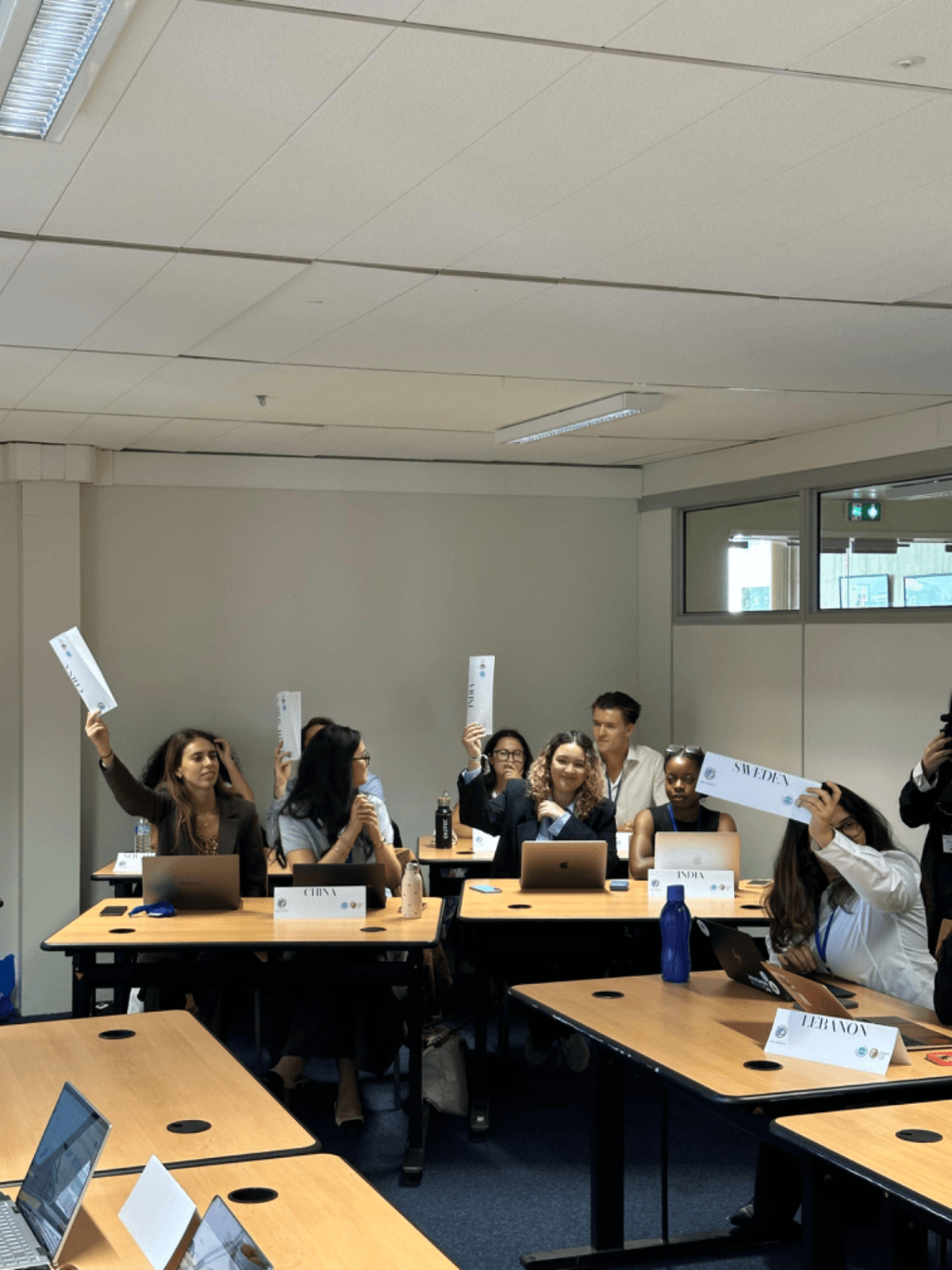
By the end of the afternoon, coalitions had formed, amendments had been submitted and the debate moved into formal session. Each proposed amendment was presented, briefly defended or opposed, and put to a vote before the final wording of the resolution was displayed. This culminated in a final vote on the resolution, followed by the formal adjournment of the debate.
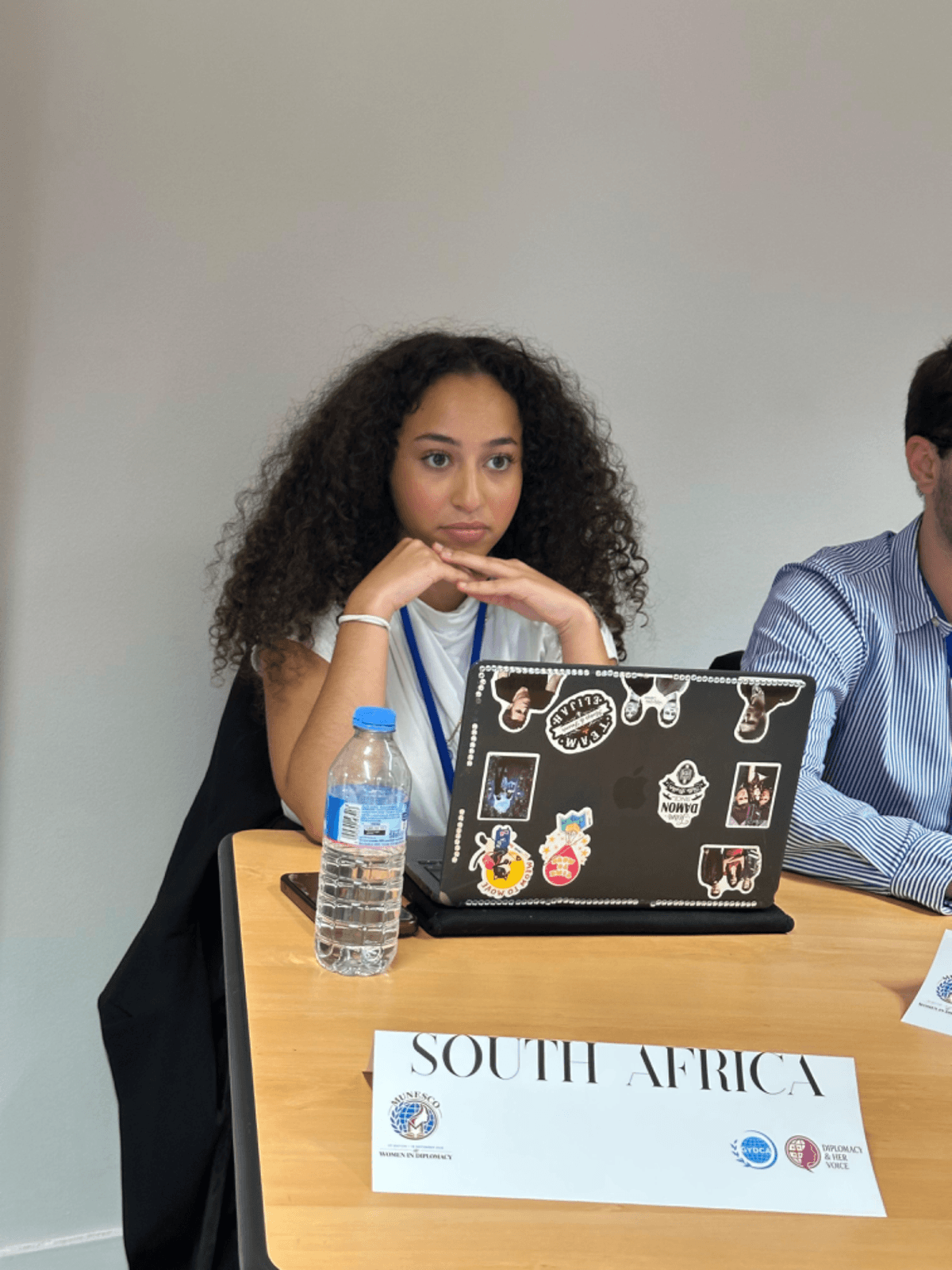
One recorded vote reflected how much negotiation had taken place during the afternoon: France, Lebanon, South Africa, Spain, Sweden and Türkiye voted in favour; China and the United States voted against; India abstained.
The afternoon concluded on a much lighter note with the MUNESCO Awards, including the People’s Choice Awards, before final remarks from GYDCA and Diplomacy and Her Voice, thanking the delegates, Chairs, speakers, volunteers and partners who made the event possible. A final group photograph brought everyone together before the official end of the first MUNESCO.
More than a traditional Model United Nations, the first edition of MUNESCO was designed to make participants experience the complexity behind a seemingly straightforward principle: if women should have an equal place at the negotiating table, how do we turn that principle into an international rule that is both ambitious and applicable?
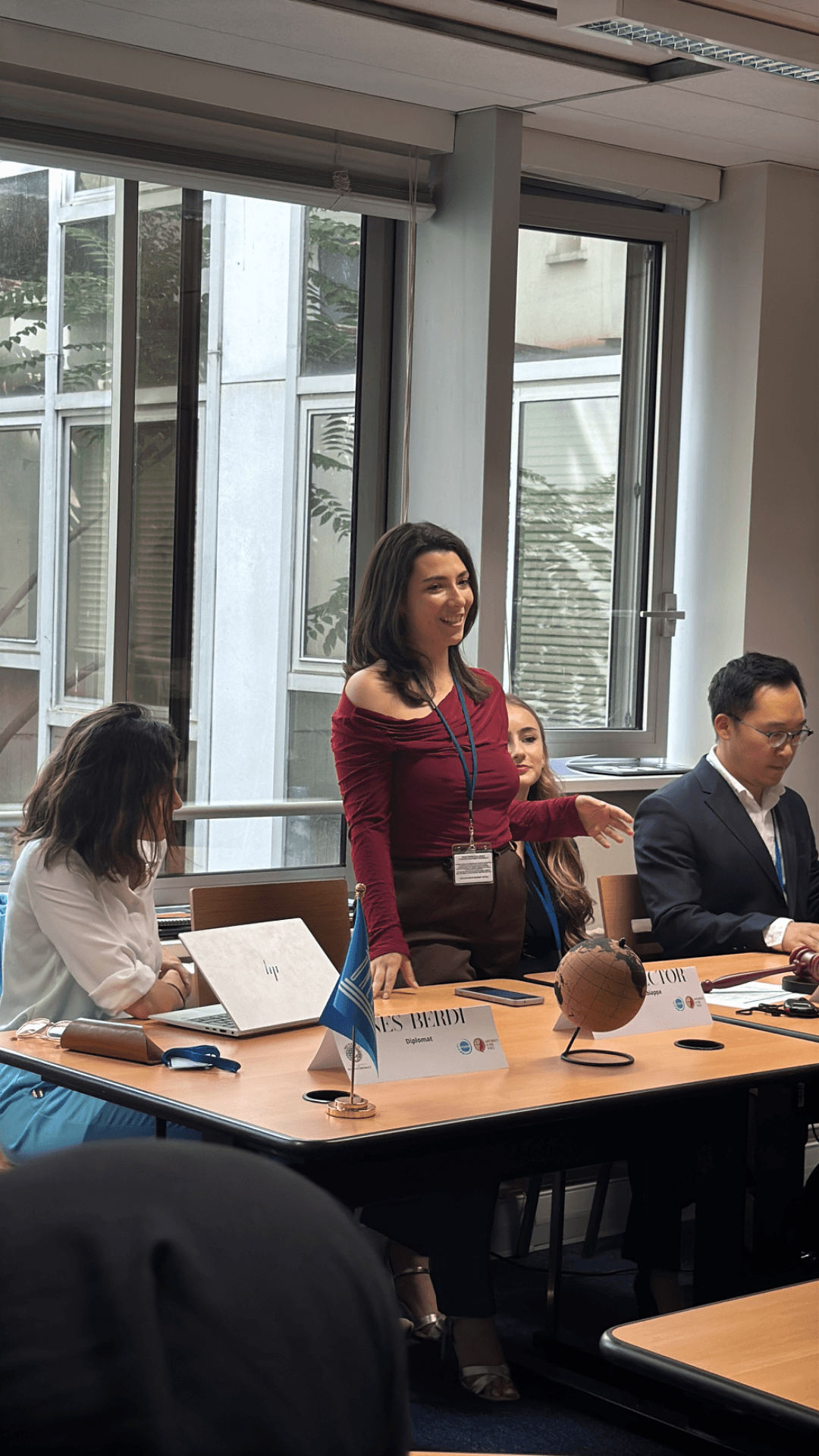
Fanny Tambiappa, member of the MUNESCO Organizing Team, addressing the participants during the event.
Over the course of one afternoon, participants moved from speeches to crisis management, from press scrutiny to coalition-building, from civil-society testimony to the negotiation of individual words in a resolution.
And that was precisely the point:
Diplomacy is not only about defending principles. It is about finding a way to translate them into agreements when everyone around the table begins from a different position.
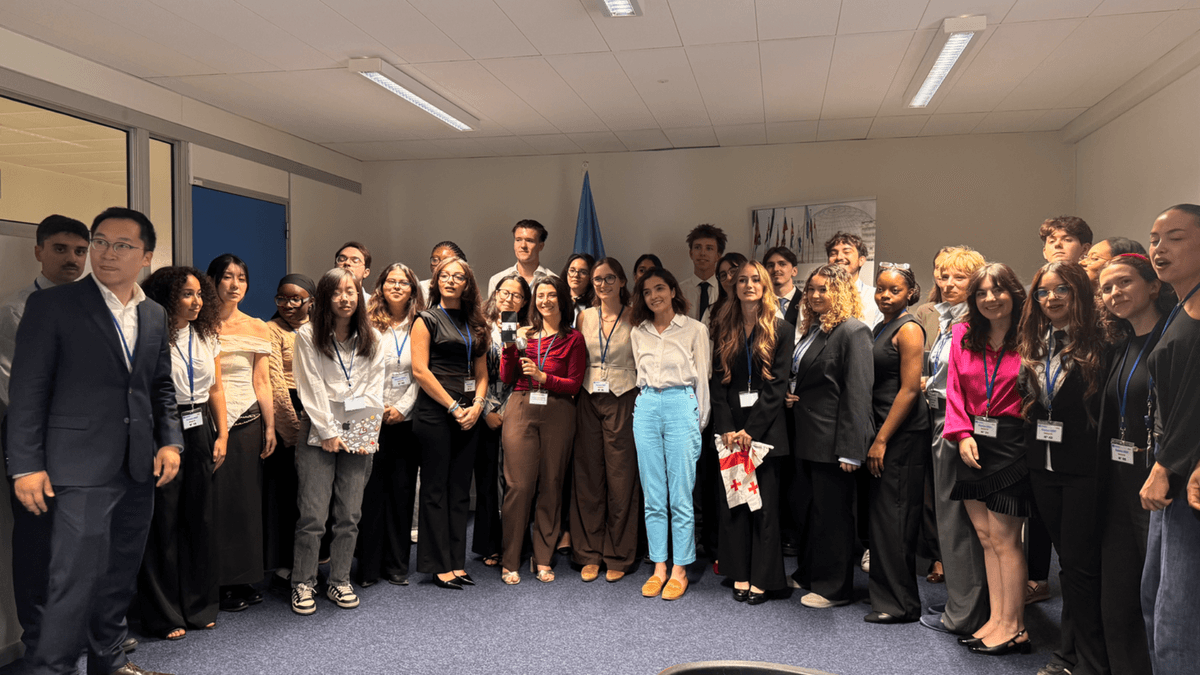
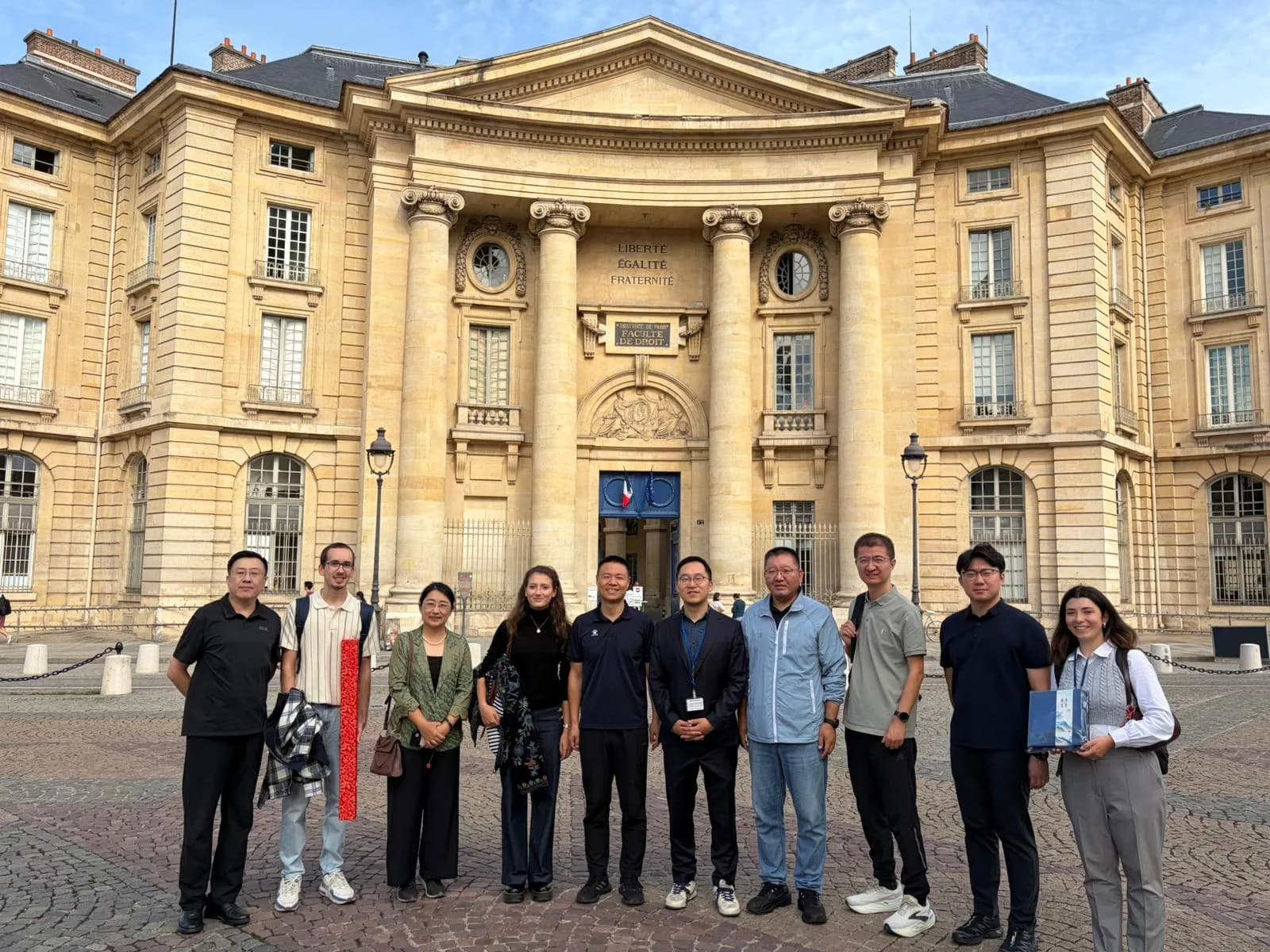
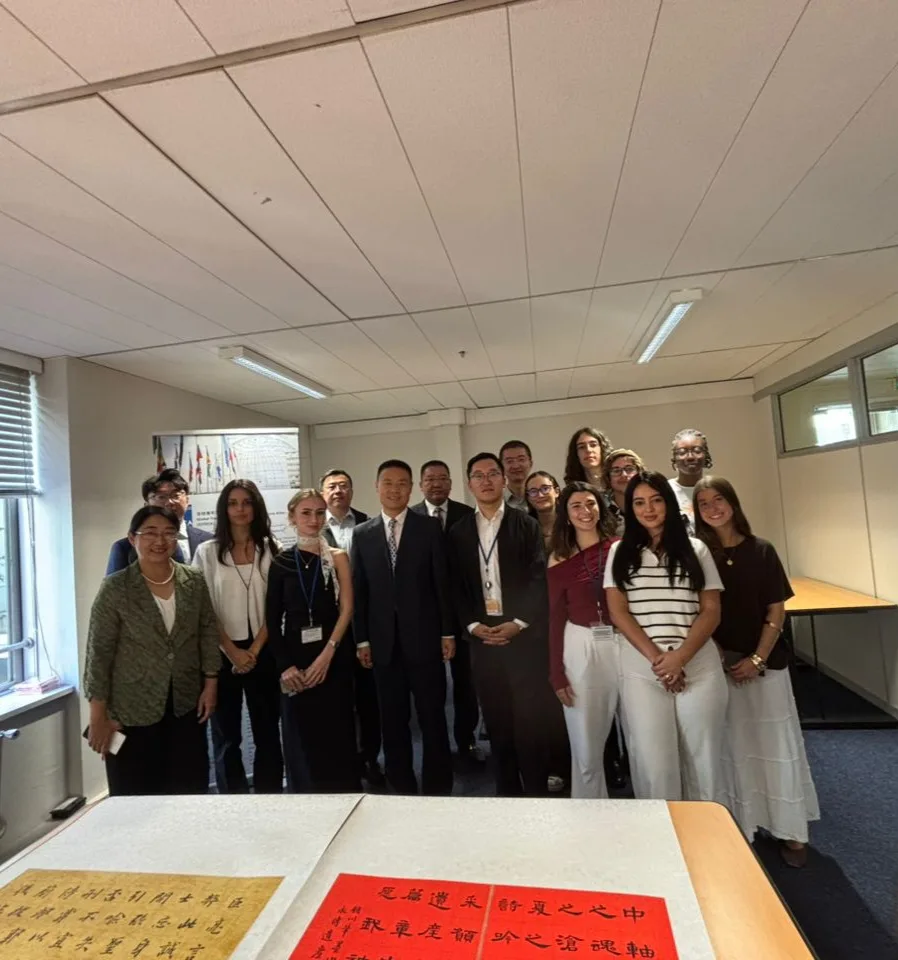
Group photo bringing together all MUNESCO 2026 participants, alongside Jing Zhang, Executive President of the Global Youth Dialogue Among Civilizations Alliance (GYDCA); Inès Berdi, French diplomat at the Ministry for Europe and Foreign Affairs; and the entire MUNESCO organizing and volunteer team.
A heartfelt thank you to all the participants, delegates, speakers, Chairs, volunteers and members of the organizing team who made the first edition of MUNESCO possible. Your enthusiasm, commitment and willingness to engage, debate and collaborate brought the simulation to life and made this experience truly meaningful.
MUNESCO 2026 would not have been the same without each and every one of you. We hope this first edition is only the beginning of many more opportunities to learn, connect and experience diplomacy together. Thank you for being part of it! 🌍🤝